The right facial peel depends on your diagnosis, skin type, peel depth, recovery tolerance and risk of pigmentation—not simply on the acid named in an advertisement. By the end, you will know how to compare peel options near Kamothe, prepare safely and judge whether a proposed treatment fits your concern.
Key takeaways
- Choose peel depth before choosing glycolic or salicylic acid.
- Match the peel to acne, pigmentation, texture or fine lines.
- Disclose medicines, active skin conditions and past pigmentation problems.
- Compare recovery time, session plans and medical supervision before booking.
Choose Peel Depth Before You Choose an Acid
The practical difference is how far the peel penetrates, which controls the strength of the change, healing time and complication risk. Choose that depth before choosing glycolic acid, salicylic acid or another named ingredient.
| Depth | What it reaches | Typical use and recovery |
|---|---|---|
| Superficial | Mainly the epidermis | Dullness, mild acne, rough texture, uneven tone and fine lines; redness, dryness or scaling for about 1–7 days |
| Medium-depth | Into the papillary dermis | More pronounced sun damage, pigmentation and texture changes; visible peeling and roughly 7–14 days of healing |
| Deep | Into the reticular dermis | Severe photodamage and deeper wrinkles; about 14–21 days or longer, with substantially higher scarring, pigment and infection risk |
Superficial treatments commonly use glycolic, lactic, salicylic or mandelic acid, or a Jessner-type blend. They usually improve the skin gradually across several sessions rather than reproduce the result of one deep peel. Medium-depth treatments often use trichloroacetic acid (TCA), while phenol-based deep peels require strict medical supervision because systemic toxicity, including cardiac complications, is possible.
“No downtime” does not mean no visible reaction. Even a light peel can burn, redden, dry or flake. A chemical peel kamothe provider should state the expected peeling, work interruption and social downtime before applying anything.
Never treat a high-strength home peel as equivalent to a professionally selected superficial peel; concentrated TCA, salicylic acid or phenol can cause burns, infection, pigment change and scarring.
Match the Peel to the Skin Problem
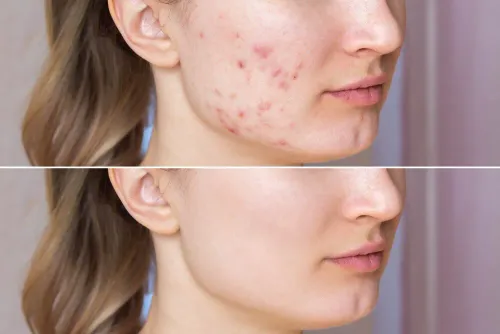
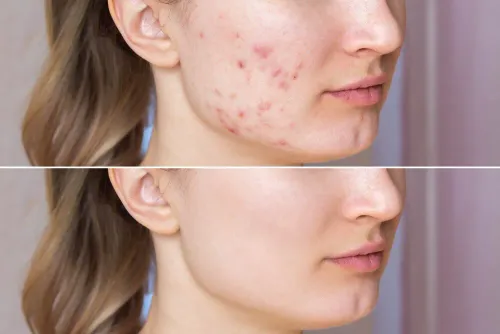
Acne usually suits a superficial salicylic acid peel because it helps loosen oil and dead skin inside blocked pores. Post-acne marks need a pigment-safe plan, not automatically a stronger peel. Melasma deserves extra caution: the wrong irritation can deepen pigmentation, so diagnosis, sun control and sometimes non-peel treatment come first.
| Concern | Common match | Practical point |
|---|---|---|
| Active mild acne | Salicylic acid | Helps clogged pores; it will not replace acne control |
| Post-acne marks | Lactic, mandelic or carefully selected glycolic acid | Treat pigment gently and prevent new marks with sunscreen |
| Melasma | Superficial lactic or combination peel | Use only after confirming the diagnosis; irritation can worsen it |
| Sun damage | Glycolic or Jessner-type superficial peel; TCA for selected cases | A suspicious or changing spot needs assessment before peeling |
| Dullness | Lactic, glycolic or mandelic acid | Expect brightness from a series, not a permanent single-session change |
| Fine lines | Glycolic or Jessner-type superficial peel; medium-depth TCA in selected patients | Greater depth brings more downtime and complication risk |
| Uneven texture | Glycolic, salicylic or TCA peel | The clinician must match depth to scars, roughness and pigment risk |
Ask a facial peel near Kamothe provider to state the acid, concentration, contact time, expected endpoint and number of sessions. Superficial treatments commonly cause redness and scaling for 1–7 days; medium-depth treatment needs about 7–14 days of healing. Deep peels are rarely a routine facial-rejuvenation choice because recovery can last 14–21 days or longer.
Protect your skin from ultraviolet exposure before and after treatment.
Check Candidacy, Medication and Pigment Risk
Postpone a peel until active inflammation, infection, or recent ultraviolet exposure has settled. Recent tanning can make pigment changes worse, especially when treating melasma or post-acne marks. Someone seeking chemical peel treatment near Kamothe should also postpone after recent waxing or threading, which can leave the skin barrier vulnerable.
- Tell the clinician about active cold sores, open wounds, acne flare-ups, uncontrolled eczema, dermatitis, or a history of abnormal scarring.
- Report isotretinoin use, pregnancy, breastfeeding, medicines that increase sun sensitivity, and any previous reaction to acids or skincare products.
- Bring your current skincare list, including retinoids, exfoliating acids, benzoyl peroxide, bleaching agents, and steroid creams. The clinician will decide which products to stop and when.
- Ask for the proposed acid, concentration, contact time, number of sessions, expected endpoint, recovery period, aftercare, and plan for treating a complication.
- Confirm that the clinician has examined dark spots before peeling. Melasma, post-acne marks, seborrhoeic keratoses, and suspicious changing lesions can look alike but need different management.
The consultation should document your skin type, tanning pattern, pigment history, herpes history, and active skin conditions. Do not proceed until you can use broad-spectrum sunscreen, limit sun exposure, and follow the prescribed aftercare. A peel chosen by acid name alone can worsen pigmentation when the diagnosis or skin barrier is wrong.
Know What the Appointment and Recovery Involve
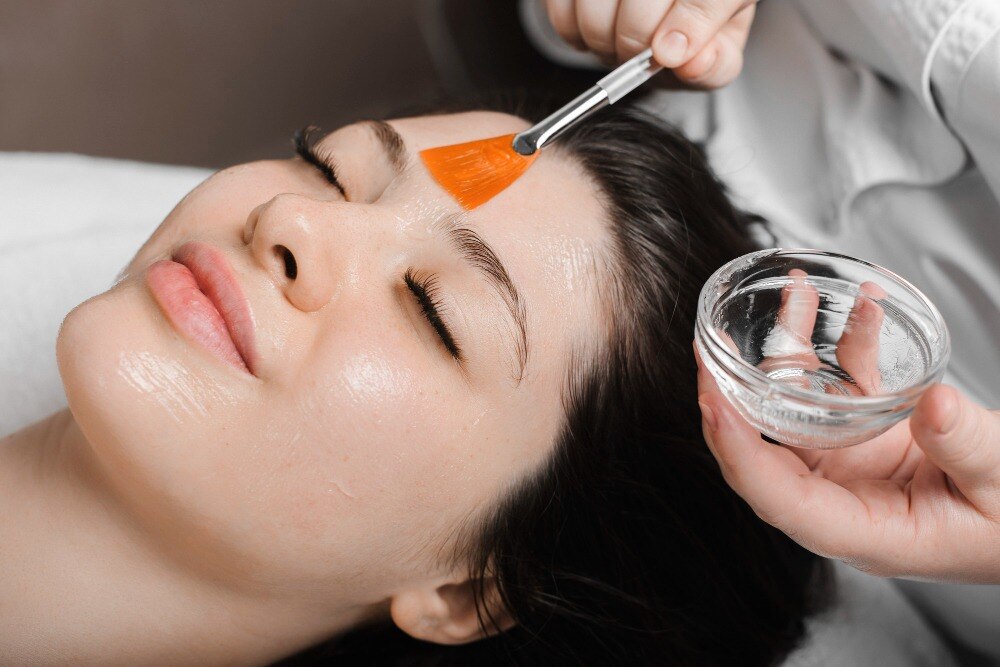
Plan around visible recovery, not the appointment length. A clinician should review your skin, cleanse and degrease it, protect sensitive areas, apply the chosen solution, time the contact period, then neutralise or remove it and apply aftercare. Ask for the acid, concentration, contact time, expected endpoint and escalation plan.
During application, expect warmth, stinging or burning that should remain tolerable and supervised. Afterward, tightness, redness, dryness and flaking are common; increasing pain, swelling, blistering or oozing needs prompt clinical advice.
Recovery depends on depth:
- A superficial peel can leave redness and scaling for about 1–7 days. Keep work plans flexible, avoid picking flakes, and apply makeup only when the skin is intact and the clinician permits it.
- A medium-depth peel commonly needs 7–14 days of healing. Arrange reduced social commitments and delay makeup, strenuous exercise, swimming and sauna use until peeling and irritation have settled.
- A deep peel can require 14–21 days or longer, with more demanding wound care and time away from public-facing work.
Do not schedule a peel immediately before travel, photography or an important event. Use the prescribed sunscreen, limit direct sun before and after treatment, and wear a hat; ultraviolet exposure can worsen uneven pigmentation. A facial peel near Kamothe should include written aftercare, and Dermaatriq should record these recovery expectations rather than promise “no downtime.”
Related service
Chemical Peel Treatment At Dermaatriq Clinic, Chemical Peel treatment under the expert care of Dr. Swapnalie D. View service → |
Compare Sessions, Alternatives and Clinics Before Booking
Compare the treatment goal, not the acid name. A chemical peel treatment near Kamothe should follow a diagnosis, skin depth, expected endpoint and realistic session plan. Results may remain subtle after one superficial session, while stronger treatment brings longer healing and greater pigment risk.
| Option | Main advantage | Downtime or limitation |
|---|---|---|
| Superficial peel | Dullness, mild acne and uneven texture | About 1–7 days of redness or scaling; several sessions may be needed |
| Medium-depth peel | More pronounced sun damage, marks and fine lines | About 7–14 days of healing; pigment changes need careful prevention |
| Microneedling | Texture, acne scars and collagen stimulation | Multiple sessions; not suitable over active infection or inflamed skin |
| Laser treatment | Selected pigmentation, vessels or resurfacing goals | Cost, downtime and pigment risk vary by device and skin type |
Before booking a chemical peel Kamothe appointment, ask the clinic for:
- The clinician’s diagnosis, including whether darkening is melasma, post-acne pigmentation or a lesion needing assessment before peeling
- The exact acid, concentration, contact time, number of planned sessions and stopping endpoint
- A written plan for sunscreen, cleansing, moisturiser, makeup, exercise and sun exposure
- A review of tanning, pigment history, eczema, herpes, medicines and current skincare
- Clear instructions for worsening pain, blistering, infection or unexpected pigmentation
Reject “no downtime” promises. A qualified clinic should explain visible peeling, work and social restrictions, and whether another option gives a safer result for your skin.
Frequently asked questions
How do you choose between superficial, medium-depth and deep chemical peels?
Start with the depth needed for your skin concern. Depth affects treatment strength, healing time and complication risk, so the acid should come second.
Which chemical peel suits acne, pigmentation and uneven texture?
Match the peel to the problem being treated, then consider the acid, skin sensitivity and risk of post-inflammatory pigmentation.
What should you disclose before a chemical peel?
Tell the clinician about your medicines, active rashes or infections, recent procedures and any history of dark marks after skin injury.
What happens during chemical peel treatment and recovery?
The appointment includes skin assessment, preparation, peel application and aftercare instructions. Recovery depends on peel depth and can include redness, peeling and sun sensitivity.
What should you compare before booking a chemical peel near Kamothe?
Compare the proposed peel depth, number of sessions, recovery plan, alternatives, clinician qualifications and how the clinic manages pigment and other complications.
Keywords