
Oily skin does not automatically make every carbon peel the right choice: the laser wavelength, carbon formulation, acne type, and treatment intensity all affect the decision. By comparing carbon laser peels with chemical peels and checking the appointment safeguards, you can choose a realistic option for shine, congestion, acne, marks, or rough texture.
Key takeaways
- Confirm whether the treatment includes carbon lotion, laser passes, or both.
- Choose based on oiliness, acne, pigmentation, texture, and downtime tolerance.
- Ask who performs the laser treatment and which device settings are used.
- Avoid treatment over active infection, open wounds, or severely irritated skin.
Carbon Magic Peel, Carbon Laser Peel, and Carbon Peel: What Are You Actually Comparing?
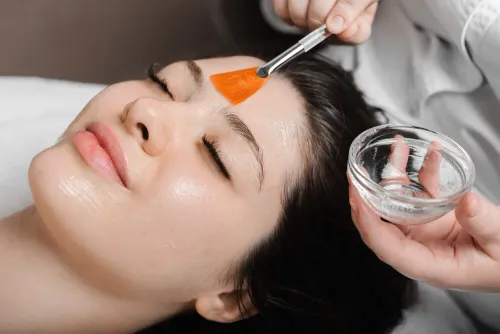
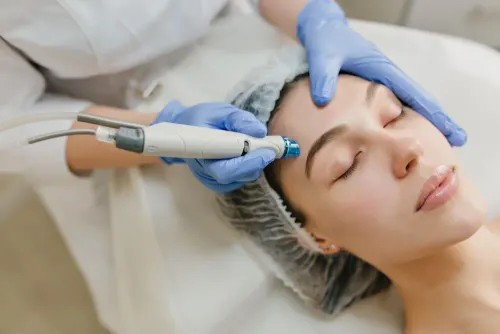
Carbon Peel, Carbon Laser Peel, and Carbon Magic Peel usually describe the same practical sequence: a carbon lotion or mask is spread over clean skin, left to sit, treated with laser passes, wiped or cleansed away, and followed by moisturiser and sunscreen.
Carbon Magic Peel is not a separately regulated treatment category; it may be a clinic’s name for a similar carbon-and-laser protocol. A search for carbon magic peel for oily skin should lead to technical questions, not assumptions about superiority.
| Option | What it usually means | Main trade-off |
|---|---|---|
| Carbon Peel | Carbon mask followed by laser interaction | Superficial, non-ablative, limited downtime |
| Carbon Laser Peel | Carbon treatment using laser passes | Results depend on wavelength and settings |
| Fractional CO2, microneedling, or medium-depth peel | Procedures that create controlled skin injury | More downtime, inflammation, and pigment risk |
For a carbon peel treatment Panvel consultation, ask which laser is used: a 1,064-nm Q-switched Nd:YAG or long-pulsed Nd:YAG device. Also ask about the carbon formulation, pulse mode, fluence, number of passes, eye protection, and operator training. If the provider cannot explain these details, the name tells you very little.
This approach is not equivalent to fractional CO2 resurfacing, microneedling, or a medium-depth chemical peel. Those treatments create more injury and downtime, while carbon-and-Nd:YAG treatment is usually chosen for modest surface improvement and lower recovery demands.
Is a Carbon Peel Suitable for Oily or Acne-Prone Skin?
Carbon peel can suit oily skin with mild blackheads, whiteheads, and superficial congestion, but it is not a complete acne treatment. Carbon laser peel for acne-prone skin can temporarily reduce surface shine, loosen pore debris, and make congested skin look clearer; it does not permanently shrink pores or stop sebaceous glands producing oil.
Use this decision guide:
1. Consider it when your skin barrier is intact and the main concern is mild comedonal congestion or oiliness. Results are temporary, so pores can look congested again as oil production continues.
2. Choose medical acne treatment when you have red inflammatory pimples, cysts, nodules, suspected infection, deep scars, or persistent new breakouts. A carbon peel will not reliably treat these problems or remove established acne marks and atrophic scars.
3. Ask about clinically indicated options, including topical retinoids, benzoyl peroxide, azelaic acid, hormonal treatment, or isotretinoin. Evidence for carbon peels is more limited, so present a carbon peel for oily skin Panvel search as a cosmetic or adjunct option, not a replacement for diagnosis-led care.
Postpone treatment if you have:
1. Open wounds, active infection, eczema or rosacea flare, severe irritation, or a damaged skin barrier.
2. Recent sunburn or tanning.
Carbon lotion itself can cause irritation or trigger an allergy. Ask about the formulation and a patch test or cautious test spot when you have sensitive skin or an allergy history.
Carbon Peel or Chemical Peel: Which Fits Your Main Skin Concern?
Choose by the problem you want to change, not by the word “peel.” For carbon laser peel for acne prone skin, the usual fit is temporary shine reduction and superficial congestion with little downtime; a chemical peel may match acne, marks, pigmentation, or rough texture more precisely.
| Concern | Carbon laser peel | Chemical peel |
|---|---|---|
| Oily skin | Temporarily reduces shine; does not stop oil production | May help when the chosen acid targets acne or oiliness |
| Clogged pores | Suits mild, superficial congestion | Salicylic acid may better match comedones |
| Active acne | Not reliable for cysts, nodules, or infection | Requires diagnosis; treatment depends on acne type |
| Marks or pigmentation | Limited surface brightening | Formulation and concentration may target post-acne marks or pigmentation |
| Rough texture | Modest, short-term smoothing | A suitable superficial peel may provide stronger exfoliation |
| Deep atrophic scars | Not a complete solution | Not a complete solution; assess scar-remodelling procedures separately |
“Chemical peel” is not one treatment. Ask which acid, concentration, pH, contact time, skin preparation, and diagnosis justify the choice. At a carbon peel treatment Panvel appointment, ask about the laser wavelength, fluence, number of passes, and intended outcome rather than accepting a package label.
More aggressive laser settings or extra passes can create more visible change, but they also raise the risk of redness, burns, prolonged inflammation, and post-inflammatory hyperpigmentation. A deeper peel carries the same trade-off, so conservative treatment matters especially if you have darker skin or pigment after acne.
What Should You Verify at a Carbon Peel Appointment in Panvel?
A safe carbon peel treatment Panvel appointment begins with an in-person medical skin assessment, not a package chosen from photographs or a fixed three-session promise. The clinician should record your acne diagnosis, recent tanning, herpes history, photosensitising medicines, isotretinoin history, abnormal scarring, pregnancy-related preferences, and recent exfoliating or energy-based procedures.
Ask these questions before treatment:
- Is a patch test or test spot indicated because of the carbon formulation, allergy history, darker skin tone, or prior pigment changes?
- Which wavelength and device class will you use: a 1,064-nm Q-switched or long-pulsed Nd:YAG laser, or something else?
- What eye protection will I wear, and how will fluence, pulse mode, and number of passes be selected for my skin tone?
- How long will the session take, and should I expect warmth, redness, dryness, swelling, flaking, or downtime?
- Which products, exfoliants, retinoids, or photosensitising medicines must I stop temporarily?
- Who will assess and manage a burn, blister, infection, prolonged redness, or pigment change?
| Claim or detail | Verify at the appointment | Why it matters |
|---|---|---|
| “Carbon peel” | Exact laser, settings, and carbon product | A branded name does not define the protocol |
| Test spot | Whether one is appropriate | It can reveal an unexpected reaction |
| Aftercare | Written product and sun-protection instructions | Poor aftercare increases irritation and pigment risk |
During a carbon peel dermatologist Panvel search, Dermaatriq can be considered, but ask its clinician to confirm the exact protocol rather than assuming a branded name guarantees a particular laser or result.
Related service
Carbon Magic Peel Treatment Carbon Magic Peel is an advanced, non-invasive laser skin rejuvenation treatment designed to deeply cleanse, exfoliate, and revitalize the skin for a... View service → |
How to Decide Which Carbon Peel Option Works Best for You
Choose carbon laser treatment only when your priority is temporary reduction in shine and superficial congestion, your skin is calm, and a clinician can explain the device, wavelength, fluence, pulse mode and passes.
| Option | Best fit | Main limitation |
|---|---|---|
| Carbon laser peel | Oily skin, visible shine, blackheads and superficial congestion | Oil returns; pores do not permanently close |
| Chemical peel | Comedones, acne marks, pigmentation or rough texture | Acid, concentration and contact time affect irritation and pigment risk |
| Acne medication or another procedure | Inflammatory acne, cysts, nodules or established scars | Requires diagnosis and a treatment plan beyond surface exfoliation |
Treat Carbon Magic Peel as a name to investigate, not evidence that it is better than another carbon peel. Ask what laser and carbon formulation are used, and how settings will be selected for your skin tone.
A search for carbon peel for oily skin Panvel should lead to an examination, not a fixed three-session promise.
For carbon laser peel for acne prone skin, expect possible warmth, short-lived redness, dryness, mild swelling or flaking. Stop and seek review for blistering, burns, prolonged redness or infection.
- Choose acne medication or another procedure when deep acne, severe pigmentation, scars or a damaged barrier is the main problem.
- Use broad-spectrum sunscreen and follow prescribed aftercare to reduce post-inflammatory hyperpigmentation.
- Expect maintenance because sebaceous glands continue producing oil; reject promises of permanently closed pores or guaranteed sessions.
Frequently asked questions
Are Carbon Magic Peel, Carbon Laser Peel, and Carbon Peel different treatments?
These names often describe the same sequence: carbon lotion is applied to clean skin, laser passes break down the carbon, and the skin is cleansed and protected with moisturiser and sunscreen. Ask the clinic to explain any difference in device, settings, or steps.
Is a carbon peel suitable for oily or acne-prone skin?
It can suit oily skin because the treatment targets surface oil, debris, and uneven texture. If you have inflamed acne, open lesions, infection, or severe irritation, ask a dermatologist to assess your skin before treatment.
Should you choose a carbon peel or a chemical peel?
A carbon peel may fit concerns such as oiliness, dullness, and mild texture irregularity. A chemical peel uses a named acid and concentration, so it may be selected for specific acne, pigmentation, or resurfacing goals. Your main concern and tolerance for peeling should guide the choice.
What should you verify before a carbon peel appointment in Panvel?
Ask what the treatment includes, which laser is used, who performs it, how your skin will be assessed, and what aftercare applies. Tell the provider about active acne, medicines, recent procedures, tanning, irritation, and any history of abnormal scarring.
How do you decide which carbon peel option is right for you?
Match the option to your primary concern, current skin condition, expected downtime, and the provider’s assessment. Do not choose by the name alone; compare the carbon product, laser device, settings, safety screening, and aftercare.
Keywords