Thinning hair can result from progressive pattern loss, a temporary shedding cycle, inflammation, infection, medication, or a medical deficiency. You will be able to match the likely cause with a sensible treatment sequence, understand the time and maintenance involved, and assess a nearby clinic before committing to procedures.
Key takeaways
- Identify the hair-loss pattern before choosing a regrowth treatment.
- Ask for a scalp examination, medical history, and targeted tests when indicated.
- Use medicines consistently and track shedding, density, and side effects.
- Choose procedures only after discussing diagnosis, realistic results, and follow-up.
Which type of hair loss is causing the thinning?
The cause matters more than the amount of hair you see in the brush. Androgenetic alopecia causes gradual, patterned miniaturisation; telogen effluvium causes diffuse shedding after a trigger; other patterns need different treatment.
| Cause | Recognisable clues | What it suggests |
|---|---|---|
| Androgenetic alopecia | Widening part, receding hairline, finer hairs | Progressive pattern loss |
| Telogen effluvium | Shedding after fever, childbirth, surgery, rapid weight loss or severe stress | Trigger-focused care; recovery often follows |
| Alopecia areata | Smooth bald patches or exclamation-mark hairs | Medical assessment |
| Traction alopecia | Loss along tightly pulled hairstyles or extensions | Stop traction before follicles scar |
| Dandruff-related shedding | Flaking, itch and inflamed scalp | Treat scalp inflammation |
| Thyroid or iron-related loss | Diffuse thinning with fatigue, cold intolerance or heavy periods | Blood-test guided treatment |
| Fungal infection or shaft disorder | Scale, broken hairs or patchy loss | Antifungal or hair-shaft evaluation |
Redness, burning, pain, pus, heavy scaling, eyebrow loss, rapidly expanding patches, or shiny skin without follicular openings need prompt medical evaluation. Scarring alopecia can permanently destroy follicles, so a cosmetic package is the wrong first step; fungal infection and hair-shaft disorders also require specific diagnosis.
Pattern loss usually progresses without treatment. Telogen effluvium often improves after its trigger is addressed, although density can take months to recover. Searching “hair regrowth treatment for kharghar” should begin with diagnosis, not a guaranteed-regrowth claim.
What should a hair-loss assessment include?
A proper assessment comes before medicine, injections, or transplantation. It should establish whether shedding reflects patterned loss, telogen effluvium, alopecia areata, traction, scalp disease, or another disorder.
The history should cover:
- When shedding began and whether it is diffuse, patterned, patchy, or localised
- Family history, childbirth, fever, surgery, illness, stress, diet, and weight changes
- Menstrual or hormonal symptoms
- Scalp-care routines, chemical treatments, and tight hairstyles
- Every medicine and supplement you use
Scalp examination and dermoscopy can show miniaturised hairs, broken hairs, inflammation, scaling, exclamation-mark hairs, or lost follicular openings. A hair-pull assessment helps establish active shedding. Depending on the findings, a clinician may order a complete blood count, ferritin, thyroid-stimulating hormone, vitamin B12, vitamin D, or hormone testing.
Blood tests are not automatic for everyone, and indiscriminate supplements do not replace a documented diagnosis.
Search results for hair specialist kharghar are not enough to establish clinical expertise. Compare providers by asking these questions:
| Provider | Verify | Ask who handles |
|---|---|---|
| Dermatologist | Medical registration and dermatology training | Diagnosis, prescribing, injections, follow-up |
| Trichologist | Whether the title includes a regulated medical qualification | Who provides medical diagnosis and prescriptions |
| Transplant surgeon | Medical registration and relevant surgical training | Donor assessment, surgery, and long-term follow-up |
Which medicines fit each pattern of hair loss?
For gradual patterned thinning, medication is usually the first step before injections or transplant. Topical minoxidil comes in 2% and 5% strengths; solution and foam use different vehicles, so foam may suit an irritated scalp better. Itching, irritation, and unwanted facial hair can occur.
Early shedding may precede improvement, so judge the result after 6–12 months of continuous use. Stopping usually loses the benefit.
| Pattern | Medication fit | Key caution |
|---|---|---|
| Androgenetic alopecia in men | Minoxidil; prescription finasteride may suit selected men | Discuss sexual adverse effects and mood concerns; finasteride is not universal |
| Androgenetic alopecia in women | Minoxidil; selected women may receive spironolactone | Pregnancy, menstrual changes, breast tenderness, dizziness, and potassium levels require supervision |
| Selected cases | Low-dose oral minoxidil, off-label | Check for excess body hair, ankle swelling, fast heartbeat, dizziness, and low blood pressure |
| Telogen effluvium | Treat the trigger rather than automatically adding minoxidil | Review fever, childbirth, surgery, weight loss, stress, medicines, and nutrition |
| Alopecia areata | Dermatologist-directed anti-inflammatory treatment | Smooth patches need diagnosis before cosmetic procedures |
| Traction, dandruff, thyroid, or iron-related loss | Remove tension, control inflammation, or correct the documented problem | Minoxidil alone does not fix the cause |
Pregnant women must not take finasteride or handle crushed tablets. A procedure is the wrong first move when active scalp disease, nutritional or thyroid problems, or unexplained shedding is present. For a hair regrowth treatment for Kharghar, ask for diagnosis and follow-up before purchasing a package.
When do PRP, GFC, microneedling, or transplant make sense?
For progressive pattern loss, medication is usually the lower-commitment first step; procedures make sense only after diagnosis and a plan for measuring change.
| Option | Main role | Effort and limits |
|---|---|---|
| Medication | Minoxidil or a prescribed oral option can slow pattern loss | Minoxidil may need 6–12 months of continuous use; early shedding can occur, and benefits fade after stopping |
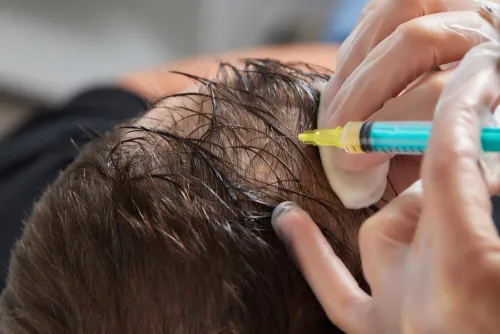
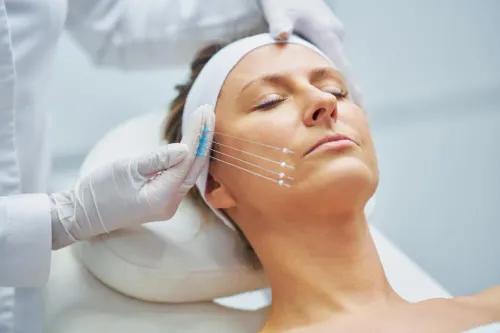
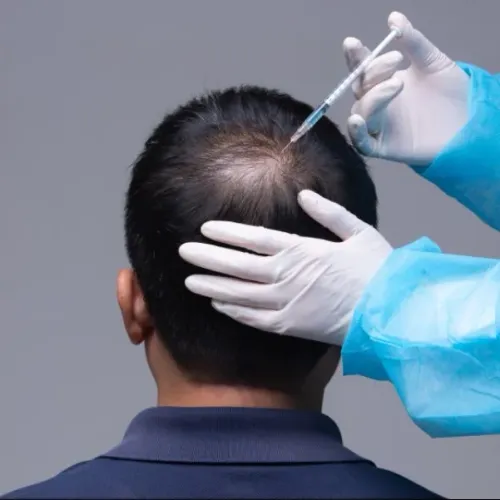
| PRP or GFC | Injectable treatments intended to support density | Preparation methods, injection schedules, intervals, and session numbers vary; neither guarantees regrowth |
| Exosome-based treatment | Clinic-delivered biologic product | Check the product identity, regulatory status, human evidence, risks, and maintenance plan before paying |
| Microneedling | Needle stimulation, studied mainly with topical minoxidil | It is not a stand-alone cure; pain, bleeding, irritation, infection, and post-inflammatory pigmentation are possible |
| Transplant | Moves donor follicles into thinning areas | It does not stop miniaturisation of native hair; inadequate donor supply or unstable loss can create a poor long-term result |
PRP and GFC require a written plan, not a package promise. Ask for:
- The planned interval, preparation method, total sessions, evidence for your diagnosis, and review date.
- The appointment length, expected timing of shedding or new growth, number of visits, and method for comparing standardised photographs.
- Whether microneedling will avoid an untreated infection or active scarring inflammation.
A transplant is the wrong first choice when the diagnosis is uncertain, donor supply is inadequate, or active inflammation is present. Stabilising medical loss before or after surgery can protect non-transplanted hair.
How should you choose and monitor a clinic near Kharghar?
Choose the clinic you can revisit, not merely the one closest to you. A hair regrowth clinic near Kharghar should give you a named diagnosis, baseline scalp photographs or trichoscopy findings, contraindications, expected time to benefit, adverse effects, maintenance instructions, and a written review plan.
| Option | What to compare | What a suitable clinic explains |
|---|---|---|
| Dermatologist | Unexplained shedding, scalp disease, prescriptions | Diagnosis, examination, contraindications, and medication monitoring |
| Hair-transplant surgeon | Surgery after diagnosis | Donor density, native-hair miniaturisation, graft plan, and long-term medical care |
| Trichologist | Scope of training | Exact medical qualification; “trichologist” alone does not prove regulated medical registration |
| Clinic access | Ongoing care | Review dates, missed-session policy, side-effect contact, and Navi Mumbai follow-up |
Ask whether the same doctor will reassess you after treatment starts and how follow-up works if you miss a session or develop irritation, dizziness, swelling, or other adverse effects. A hair specialist Kharghar residents can revisit is more useful than a distant provider offering a fixed package.
Dermaatriq can be considered if its consultation answers these questions and builds a treatment sequence from your findings rather than a package name.
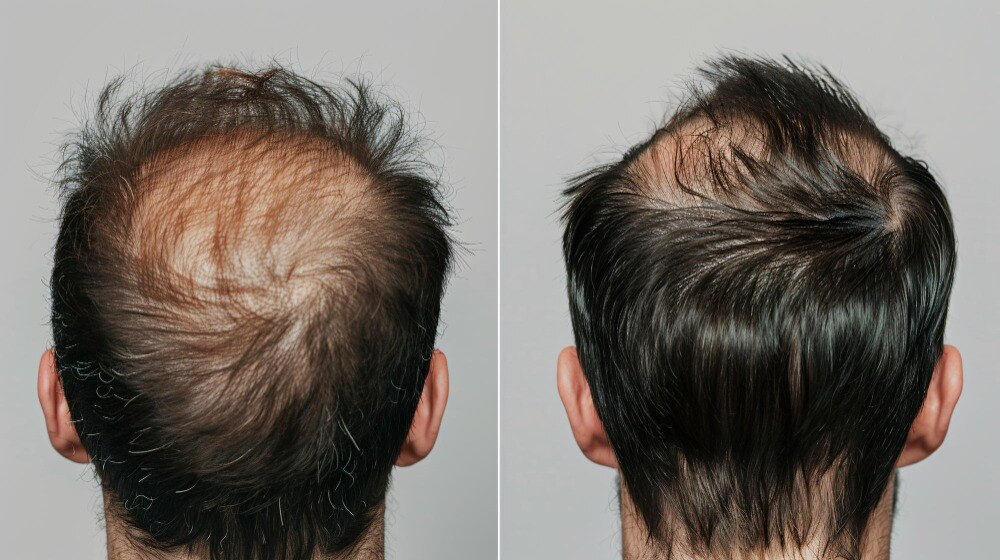
Do not use dramatic before-and-after photographs or guaranteed regrowth as proof of suitability. Continue effective maintenance after improvement; stopping treatment or ignoring progressive native-hair loss can reverse gains. If the clinic cannot document its reasoning, seek another opinion.
Related services
Hair Regrowth Treatment At Dermaatriq Clinic, our Hair Regrowth Treatment is a scientifically designed, medically supervised solution aimed at addressing various types of... View service → |
Hair Fall Treatment At Dermaatriq Clinic, we understand that hair fall can affect both your confidence and overall well-being. Under the expert guidance of Dr. View service → |
Frequently asked questions
How can you tell which type of hair loss is causing thinning?
Gradual recession, crown thinning, and miniaturised hairs suggest androgenetic alopecia. Sudden diffuse shedding after illness, stress, weight loss, or a medication change suggests telogen effluvium. Patchy loss, scalp inflammation, broken hairs, or scarring need a dermatologist’s assessment.
What should a hair-loss assessment include?
A specialist should take your timeline, family history, illnesses, diet, medicines, and hair-care history, then examine the scalp and hair shafts. Dermoscopy can reveal miniaturisation, inflammation, broken hairs, or scarring. Blood tests should match the suspected cause rather than follow a fixed panel.
Which treatments are used for common hair-loss patterns?
Androgenetic alopecia is commonly managed with topical minoxidil and, when appropriate, prescription medicines discussed with a dermatologist. Telogen effluvium requires finding and correcting the trigger. Patchy, inflammatory, or scarring conditions need diagnosis-specific treatment.
When do PRP, GFC, microneedling, or a transplant make sense?
PRP, GFC, and microneedling are procedure-based options for selected patients, usually alongside a confirmed diagnosis and a treatment plan. A transplant suits stable pattern hair loss with adequate donor hair; it does not treat active shedding or an undiagnosed scalp disease.
How should you choose and monitor a hair specialist near Kharghar?
Check the clinician’s dermatology or hair-restoration qualifications, request a written diagnosis and treatment plan, and ask about procedure risks, aftercare, and follow-up. Compare standardised photographs under the same lighting and review progress over several months rather than judging one session.
Related services
Hair Transplant Treatment Hair Transplant at Dermaatriq Clinic is a safe, advanced, and minimally invasive procedure designed to restore natural hair growth in areas affected... View service → |
Skin & Hair PRP Treatment PRP (Platelet-Rich Plasma) is a natural, non-surgical treatment that uses the patient’s own blood to rejuvenate skin and promote hair growth. View service → |
Keywords