The treated area can look raw, red, swollen, crusted or darker before it settles, and the correct care depends on whether you had cryotherapy, laser treatment, electrosurgery, shave removal or stitches. You will learn how to clean and protect the site, when to resume normal activities, which changes need medical advice, and what follow-up confirms that the problem has been fully assessed.
Key takeaways
- Expect redness, tenderness, crusting, or mild oozing in the first few days.
- Clean gently, apply the instructed dressing, and protect the site from sun and friction.
- Ask when you can exercise, shave, swim, and return to normal work.
- Confirm wound healing and ask whether a mole tissue report is available.
What the treated area may look and feel like in the first few days
Immediately after wart or mole removal in Panvel, mild redness, swelling and tenderness are expected. Pinpoint bleeding, a raw surface, and a small amount of clear or blood-stained ooze can follow shave removal, curettage, cautery or cryotherapy. The area can look worse before it improves: a crust, scab or temporary darkening may develop.
| Change | Usually expected | Contact the clinic |
|---|---|---|
| Redness or swelling | Mild and limited to the treated area | Spreading redness or increasing warmth |
| Pain | Tenderness that gradually settles | Rapidly increasing or severe pain |
| Fluid | A small amount of clear or blood-stained ooze | Pus, foul smell or continued heavy drainage |
| Cryotherapy reaction | A blister followed by crusting; do not puncture it | Expanding blister, severe pain or worsening inflammation |
| Colour | Temporary darkening or a pink mark | A changing pigmented mark or new lump |
Get clinical advice for fever or red streaks, which can indicate infection. For bleeding:
- Place clean gauze over the site and apply firm, uninterrupted pressure for about 20 minutes. Do not lift it repeatedly to check.
- Contact the clinic or seek urgent care if bleeding continues after that pressure, especially if you take an anticoagulant or antiplatelet medicine.
- Keep the area clean and protected rather than repeatedly applying antiseptics; rubbing alcohol, hydrogen peroxide and iodine can irritate healing tissue.
How aftercare changes with the removal method
Aftercare follows the wound, not just the diagnosis. A superficial raw area or scab needs gentle cleaning and protection while it seals; a punch or surgical excision closed with sutures needs tension control and a planned review.
| Method | What you may see | Main aftercare difference |
|---|---|---|
| Shave excision | Raw, shallow wound or scab | Protect the surface; deeper mole cells can remain, so regrowth or residual pigment needs review. |
| Punch or surgical excision | Sutured line, swelling and tenderness | Keep the closure protected and attend the scheduled review; do not wait for non-absorbable stitches to fall out. |
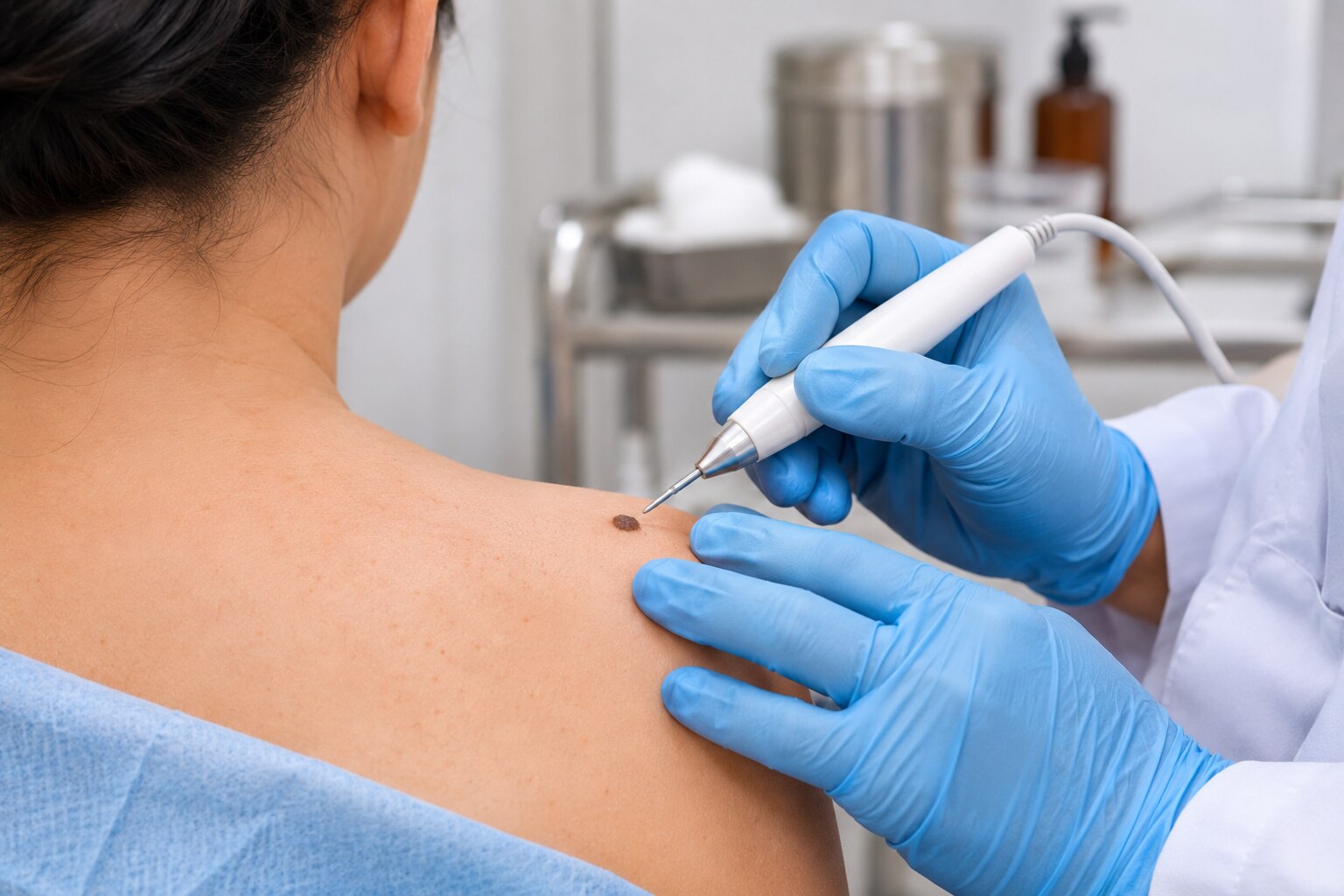
| Electrosurgery | Tender burn-like surface and crust | Let the crust separate naturally and prevent rubbing. |
| Cryotherapy | Blister followed by crust | Do not deliberately puncture the blister; keep it clean and shielded from friction. |
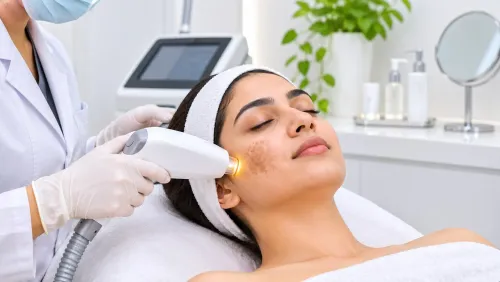
| Laser treatment | Redness, tenderness or a fine crust | Follow the laser-specific dressing and sun-protection instructions. |
A wart can need another session because removing visible infected tissue does not guarantee immediate clearance of all HPV-infected cells. Recurrence does not automatically mean poor aftercare.
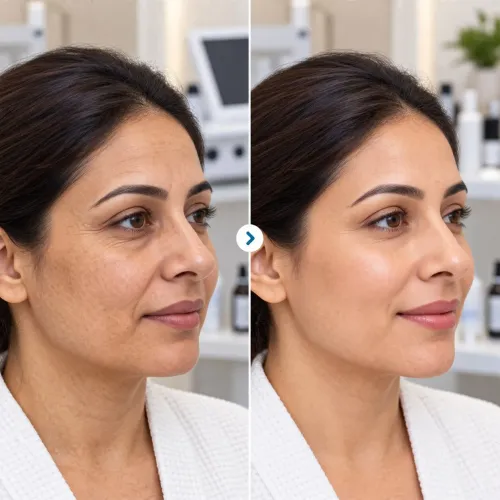
Darker skin has a higher risk of noticeable post-inflammatory pigmentation after inflammation or cryotherapy. After the surface closes, use shade, clothing and broad-spectrum SPF 30 or higher; do not pick or apply bleaching products.
Do not put salicylic-acid wart products on a fresh wound or frozen blister unless the treating clinician prescribes them. They can damage healing skin. For wart removal recovery Panvel decisions, ask the clinic which surface and product instructions apply to your method.
Cleaning, dressing and protecting the site while it heals
Clean the site once the clinic permits it: use clean water or saline, and mild soap only if instructed. Wash gently without scrubbing, then pat dry with clean gauze or a fresh towel. Apply petroleum jelly or another topical product only when prescribed or specifically advised, and use the dressing recommended by the clinic.
- Change the dressing when it becomes wet, dirty or loose, or according to the clinic’s instructions.
- Leave a closed, dry, non-tender surface uncovered only when the clinic says protection is no longer needed.
- Keep toothpaste, turmeric, rubbing alcohol, hydrogen peroxide, iodine, cosmetic creams, unapproved antibiotic ointments, bleaching products and exfoliants away from the site.
- Do not pick the scab or deliberately puncture a cryotherapy blister.
- Reduce friction from collars, tight clothing, footwear, masks or equipment, and avoid shaving across the area.
- Keep dust and gym sweat away; postpone strenuous exercise if movement or sweat pulls on the wound.
- Do not soak the site in a bath, swimming pool or hot tub until the clinician confirms that it has closed.
After the surface closes, use broad-spectrum SPF 30 or higher, shade and clothing to reduce persistent red or dark marks. This matters in wart mole removal aftercare Panvel patients may need, especially after cryotherapy, because darker skin is more prone to noticeable pigmentation.
For any wart or mole removal aftercare routine, contact the clinic if the dressing repeatedly becomes blood-soaked, the wound opens, or redness, warmth, pain or discharge increases.
When you can wash, work, exercise, shave and return to routine
You can usually resume gentle bathing and face washing once the clinician permits it, but keep the treated area out of bathwater, pools and hot tubs until the wound has closed. Pat it dry; do not scrub, pick or rub the site.
- Keep makeup away from an open, crusted or tender area.
- Shave around the site, not over it, until the skin is closed, dry and comfortable.
- Delay exercise when sweat, stretching or gym equipment will rub the wound.
- Desk work or school may be possible sooner than outdoor dusty work, heavy manual work or contact sports.
- Return to routine when movement no longer pulls the site and the dressing stays clean and secure.
A superficial wound often settles over roughly one to two weeks. Healing takes longer where skin is tight or movement is constant, such as the shoulder, knee or waistline.
A stitched wound needs a planned review and removal time based on body location, wound tension and the suture type. Do not wait for non-absorbable stitches to fall out; missed removal can increase irritation and leave more prominent stitch marks.
For wart removal recovery Panvel, ask the treating clinician when washing and exercise are safe for that exact location. Wart mole removal aftercare Panvel also means avoiding salicylic-acid products, shaving creams and cosmetics on a fresh wound or frozen blister unless specifically prescribed.
What follow-up should confirm after mole or wart removal
For mole removal follow-up, Panvel patients should confirm whether the removed tissue was sent for histopathology and how the report will be communicated. A wound can look clean while the original lesion contained atypical or malignant cells; only pathology establishes that diagnosis when tissue was submitted.
Contact the clinic again if you notice:
- Regrowth, residual pigmentation, or a new lump at the treated site.
- Bleeding that persists or restarts without obvious friction.
- A pigmented mark that changes in colour, size, border, or surface.
- A thick, enlarging scar after the wound closes, especially with a personal or family history of keloids on the chest, shoulders, or upper back. Do not aggressively massage it or apply acids before assessment.
After wart or mole removal, Panvel patients should not assume that recurrence proves poor aftercare. A wart can need repeat treatment because removing visible infected tissue does not guarantee immediate clearance of all HPV-infected cells.
Dermaatriq can provide a documented wound check, discuss a pathology report, or help set the next-step plan rather than promise instant healing.
| Finding | What follow-up should confirm | What to do |
|---|---|---|
| Mole regrowth or changing mark | Pathology status and whether deeper or residual tissue needs assessment | Arrange prompt review; do not self-treat |
| Wart returning | Whether repeat cryotherapy or another treatment is appropriate | Book reassessment |
| Thickening scar | Whether it is hypertrophic scarring or a keloid | Seek earlier review, particularly with relevant personal or family history |
Frequently asked questions
What can the treated area look and feel like after wart or mole removal?
Mild redness, swelling, tenderness, pinpoint bleeding, a raw surface, clear ooze, crusting, scabbing, or temporary darkening can occur during early healing.
How does aftercare differ by removal method?
Shave removal, curettage, cautery, cryotherapy, and other methods create different wounds. Follow the specific cleaning, dressing, and activity instructions given for your method.
When can I wash, work, exercise, shave, or return to my routine?
Resume each activity according to the clinic’s instructions and the wound’s condition. Keep activities that cause friction, sweating, stretching, or shaving away from the site until advised otherwise.
What should follow-up confirm after mole or wart removal?
Follow-up should check wound healing, review persistent or recurrent changes, and confirm whether tissue removed from a mole was sent for examination and whether a report is available.
Keywords