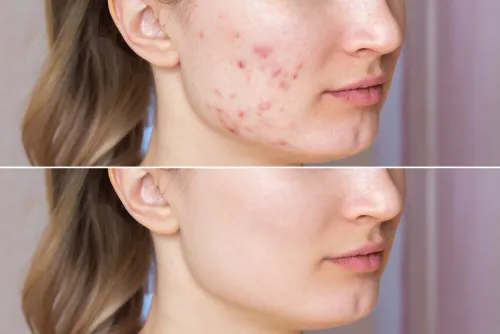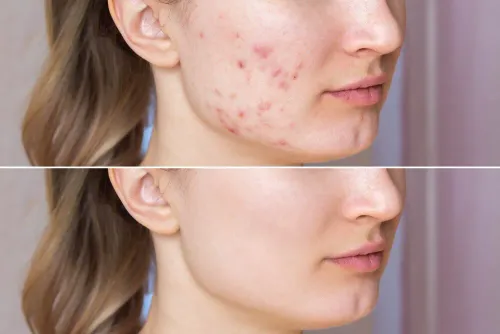
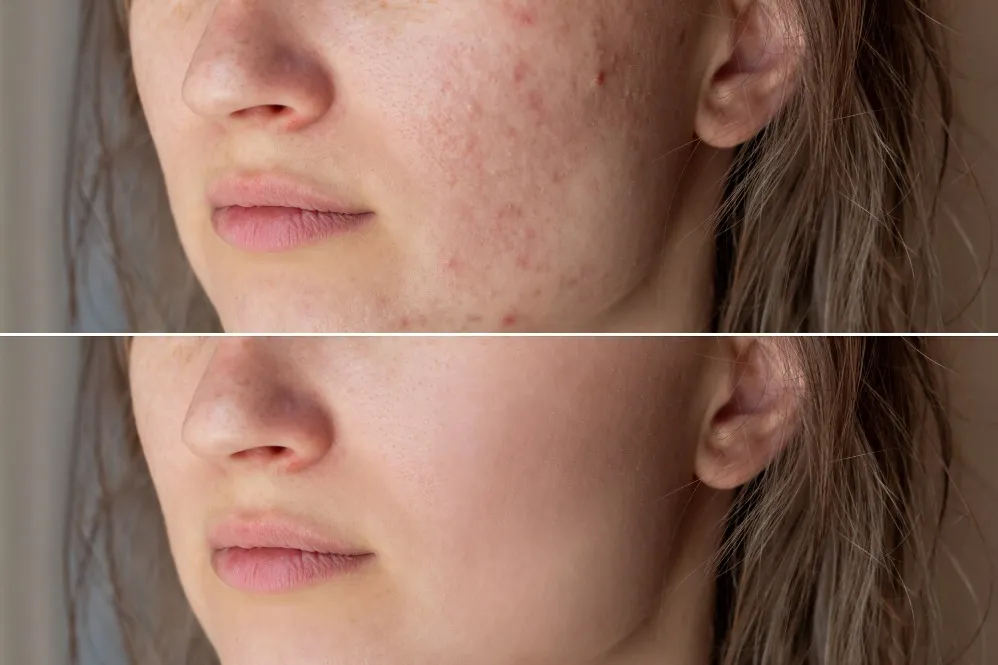
Acne may clear with time, but the marks it leaves behind often remain much longer. For many people, acne scars affect confidence more than the breakouts themselves. These scars can make the skin appear uneven, create visible depressions, and become difficult to conceal with makeup or skincare products.
Residents of New Panvel frequently seek professional advice after trying creams and home remedies without noticeable improvement. Since acne scars develop below the skin's surface, effective treatment usually requires procedures that stimulate the skin's natural healing process.
Why Acne Scars Develop
Not everyone with acne develops scars. Scarring usually occurs when deeper inflammation damages collagen and surrounding skin tissue during the healing process.
Several factors increase the likelihood of acne scars:
- Severe inflammatory acne
- Delayed acne treatment
- Picking or squeezing pimples
- Repeated acne breakouts
- Genetic tendency to scar
- Improper skincare during healing
Treating acne early often reduces the risk of permanent scarring.
Different Types of Acne Scars
Identifying the scar type helps determine the most suitable treatment.
Common acne scars include:
Ice Pick Scars
These are narrow, deep scars that extend into the skin and often require specialised treatment.
Boxcar Scars
Boxcar scars appear wider with defined edges and commonly affect the cheeks.
Rolling Scars
Rolling scars create uneven skin texture because of fibrous bands beneath the surface.
Post-Inflammatory Pigmentation
Although not true scars, dark marks left after acne often concern many patients and may require different treatment approaches.
Treatment Is Never One Size Fits All
A dermatologist evaluates several factors before preparing a treatment plan:
- Scar type
- Scar depth
- Skin colour
- Active acne status
- Previous treatments
- Skin sensitivity
- Medical history
Many patients benefit from combining different procedures rather than relying on a single treatment.
Common Acne Scar Reduction Treatments
Modern dermatology offers several evidence-based options.
Microneedling
Microneedling creates controlled micro-injuries that stimulate collagen production and gradually improve skin texture.
Fractional Laser Therapy
Fractional lasers target damaged skin while encouraging collagen remodelling beneath the surface.
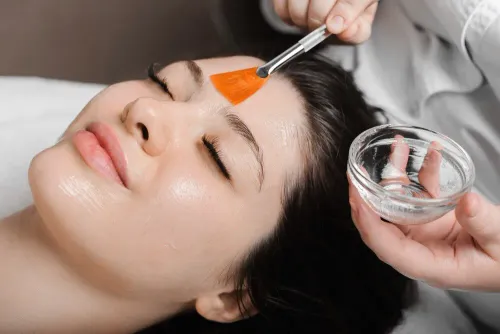
Chemical Peels
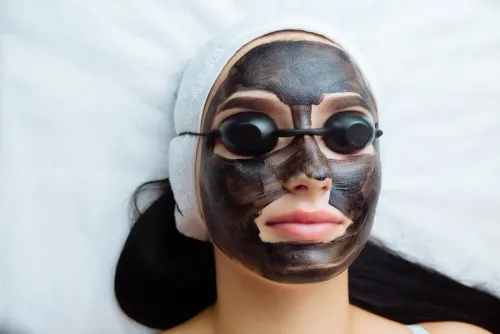
Medical-grade peels improve superficial scars, pigmentation, and overall skin brightness.
Subcision
This procedure releases fibrous tissue beneath rolling scars, allowing the skin to lift naturally.
PRP Combination Therapy
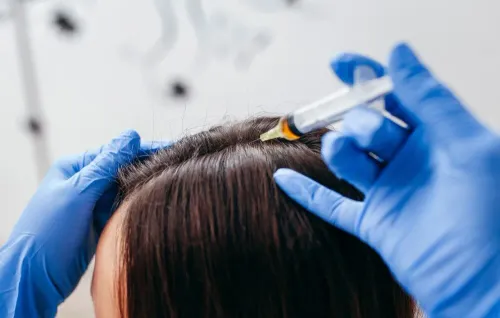
Platelet-rich plasma may be combined with other procedures to support healing and tissue regeneration.
What Results Can Patients Expect?
Acne scars usually improve gradually rather than disappearing completely.
The degree of improvement depends on:
- Scar severity
- Skin healing response
- Treatment technique
- Number of sessions
- Home skincare
- Sun protection
Realistic expectations help patients appreciate progressive improvements over time.
Preventing New Scars
Reducing future acne scars is just as important as treating existing ones.
Helpful habits include:
- Seeking treatment for active acne early
- Avoiding picking or popping pimples
- Using prescribed medications consistently
- Wearing sunscreen daily
- Following a dermatologist-approved skincare routine
These measures help protect healing skin and reduce additional damage.
Selecting the Right Dermatology Clinic
Acne scar treatment requires experience because different scar patterns respond differently.
Look for clinics that provide:
- Detailed scar assessment
- Personalised treatment planning
- Multiple treatment options
- Modern dermatology equipment
- Long-term follow-up
- Honest discussion about expected outcomes
At Dermaatriq, acne scar reduction treatment begins with a comprehensive skin evaluation, allowing dermatologists to recommend procedures based on scar type rather than applying identical treatment plans to every patient.
Frequently Asked Questions
Can acne scars be completely removed?
Most treatments aim to significantly improve scar appearance rather than eliminate every scar completely.
How many sessions are usually required?
Multiple sessions are often recommended because collagen rebuilding occurs gradually.
Should active acne be treated first?
Yes. Active acne is generally controlled before beginning scar reduction procedures.
For individuals in New Panvel looking to improve skin texture after acne, professional acne scar reduction treatment offers personalised solutions that focus on long-term skin health rather than temporary cosmetic coverage.
Keywords