Active acne is not one condition with one universal cream: blackheads, inflamed pustules, deep nodules, and acne-like rashes require different decisions. You will learn how to identify warning signs, prepare for a proper dermatology assessment, use treatments safely, and compare an acne clinic near Panvel by the quality of its diagnosis and follow-up.
Key takeaways
- Deep, painful nodules need prompt dermatology assessment to reduce scarring risk.
- Do not squeeze acne; pressure increases inflammation, pigmentation, and infection risk.
- Expect improvement after 6 to 8 weeks of consistent treatment, not overnight.
- Compare acne doctors by diagnosis, follow-up plans, medicine guidance, and safety practices.
Which type of active acne do you have, and when is a dermatologist necessary?
Closed and open comedones are clogged pores: closed comedones are flesh-coloured bumps, while open comedones have a dark surface from oxidation, not dirt. Papules are red, tender raised spots; pustules contain visible pus. Nodules and cysts sit deeper in the skin, hurt more, and carry higher risks of scarring and prolonged pigmentation.
| Type | Appearance | Why it changes care |
|---|---|---|
| Closed or open comedone | Small clogged pore | Usually responds to consistent topical treatment |
| Papule or pustule | Inflamed red bump, with or without pus | Needs inflammation control, not squeezing |
| Nodule or cyst | Deep, painful, firm or fluid-filled lesion | Needs dermatologist-directed treatment to limit scars |
Lesion count alone does not determine severity. A few painful nodules, acne across the chest or back, or early scarring can need more intensive treatment than many mild comedones.
- Painful deep lesions, persistent dark marks, or scars
- Sudden severe acne beginning in adulthood
- Major distress, anxiety, or avoidance of social activities
- Acne on the chest or back
- No meaningful improvement after 8 to 12 weeks of consistent care
Folliculitis, perioral dermatitis, rosacea, hidradenitis suppurativa, and medicine-related acneiform eruptions can resemble acne but require different care. A dermatologist acne treatment for panvel search should lead to a clinician who confirms the diagnosis, rather than offering only a facial or extraction.
What should happen during your first acne dermatology visit?
Your first visit should produce a diagnosis and follow-up plan, not just a facial or extraction. Tell the dermatologist where breakouts occur, how long they have lasted, whether they worsen around menstruation or along the jawline, and whether you have irregular periods, excess facial hair, or hair thinning.
These patterns can prompt assessment for hormonal causes.
Bring your current skin-care and hair-care products, medicines, allergies, previous acne treatments, and details of pregnancy plans or breastfeeding. Explain picking or squeezing, and show evidence of dark marks, pigmentation, dents, or raised scars. The clinician should inspect lesion type, distribution, sensitivity, and possible look-alikes such as folliculitis, perioral dermatitis, rosacea, or medicine-related eruptions.
Before choosing treatment, ask:
- What is the diagnosis, and what other conditions were considered?
- What severity is it, and are pigmentation or scars already developing?
- What should I apply or take, in what order, and what should I stop?
- What should I do if burning, peeling, irritation, or worsening occurs?
- What is the review date, and what result should we expect by then?
When comparing a dermatologist Panvel consultation, check that the clinician examines active lesions and discusses prescription care, pregnancy safety, and follow-up. A one-time extraction without diagnosis or review is not a complete acne assessment.
How do dermatologists choose medicines, procedures, and combination treatment?
Mild-to-moderate acne with comedones, papules, or pustules often calls for topical combination treatment rather than repeated product switching. A dermatologist may select adapalene or tretinoin to prevent clogged pores, benzoyl peroxide to reduce acne-causing bacteria and inflammation, and azelaic acid when pigmentation or sensitivity matters.
Topical or oral antibiotics must not be used alone because resistance increases; pair topical antibiotics with benzoyl peroxide, limit the course, and schedule a review.
| Option | Clinical situation | Key safeguard |
|---|---|---|
| Topical retinoid | Comedones and mild inflammatory acne | Avoid during pregnancy; review breastfeeding |
| Benzoyl peroxide or azelaic acid | Inflammatory acne, sensitivity, or dark marks | Use within a planned combination |
| Oral antibiotic | Selected widespread inflammatory acne | Review the course; do not continue indefinitely |
| Hormonal treatment | Jawline or cycle-linked acne with hormonal features | Screen medical history and pregnancy plans |
| Oral isotretinoin | Nodulocystic, scarring, or treatment-resistant acne | Specialist monitoring and strict pregnancy prevention |
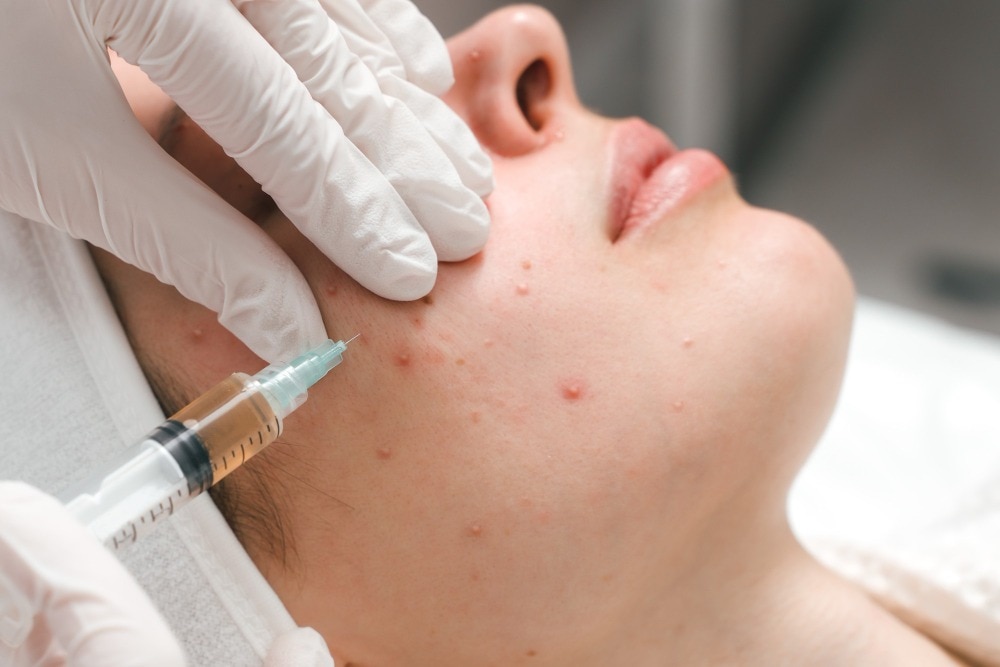
Pregnancy and breastfeeding change the choices: avoid topical retinoids and oral isotretinoin, and generally avoid tetracycline-class antibiotics during pregnancy. Chemical peels, extractions, light devices, and injections are adjuncts, not automatic first-line cures; active inflammation, skin tone, irritation risk, and scarring risk determine whether they help or worsen pigmentation.
Ask an acne treatment Panvel dermatologist to explain the diagnosis, treatment target, antibiotic review date, monitoring, and safer alternatives before starting anything.
How should you use acne medicines, and how long before results appear?
Use only the amount your dermatologist recommends, at the prescribed strength and dose, over acne-prone skin rather than only visible spots. A skin specialist acne treatment plan may introduce a retinoid or benzoyl peroxide gradually, such as every other night or for short contact, to limit irritation.
- Cleanse gently twice daily with lukewarm water and a mild cleanser; scrubbing harder will not clear acne.
- Apply each medicine in the prescribed order and wait as instructed between products.
- Use a non-comedogenic moisturiser to reduce dryness and peeling.
- Apply broad-spectrum sunscreen every morning, especially when dark marks are present.
Using more medicine will not clear acne faster. Do not double the next application after a missed dose. Dryness, burning, peeling, or an apparent initial flare can occur early; contact your dermatologist if irritation is severe, persistent, or worsening rather than stopping or adding products yourself.
Expect visible improvement over weeks, not days. Keep the planned review near 12 weeks, when the response and next step can be assessed. After clearing, maintenance with a suitable retinoid, benzoyl peroxide, or azelaic acid can reduce recurrence.
Do not use steroid creams on your face, self-start prescription medicines, pick or squeeze lesions, use abrasive scrubs, or apply irritating home remedies. Sun exposure and ongoing inflammation prolong post-inflammatory pigmentation, so controlling breakouts and protecting your skin helps dark marks fade.
How can you compare an acne doctor near Panvel?
Compare an acne doctor near Panvel by the decisions made during the visit, not by promises of instant clearing. A credible consultation identifies the diagnosis, examines lesion type and severity, and checks pregnancy plans, breastfeeding, allergies, medicines, and relevant medical history.
| Check during the visit | What a credible clinic provides | Warning sign |
|---|---|---|
| Diagnosis and assessment | Lesion type, distribution, severity, pigmentation, scarring, and possible look-alikes are documented | Only a facial, extraction, or product recommendation |
| Treatment plan | Medicine names, application instructions, expected timeline, and what to do about irritation or worsening are explained in writing or clearly | Vague advice or an instant-clearance promise |
| Follow-up and procedures | A defined review interval is set, and procedures are explained as adjuncts rather than automatic cures | Aggressive peels, lasers, or injections while inflammation remains uncontrolled |
Dermaatriq in Panvel, Navi Mumbai is relevant to this search because its medically supervised dermatology setting can be considered against these practical checks; confirm which active-acne treatments are offered, who reviews your case, and how follow-up is handled.
Ask when a procedure becomes appropriate for your lesion type and skin tone. Chemical peels, extractions, light devices, and injections should not replace control of active acne, since irritation can worsen pigmentation or scarring.
Prepare for the appointment by bringing:
- Photographs of your current products
- Medicine names and prior prescriptions
- Allergy history
- Notes on menstrual patterns, irregular periods, or hormonal changes
Related service
Acne Treatment At Dermaatriq Clinic, acne treatment is designed to address the root cause of breakouts and restore clear, healthy skin. View service → |
Frequently asked questions
Which type of active acne needs a dermatologist?
See a dermatologist for painful nodules or cysts, widespread inflammatory acne, scarring, persistent pigmentation, or breakouts that do not improve with consistent over-the-counter care.
What happens during a first acne dermatology visit?
The dermatologist examines lesion types, distribution, scarring, pigmentation, products, medicines, menstrual or hormonal patterns, and previous treatments before creating a plan.
How do dermatologists choose acne medicines and procedures?
They match treatment to the acne type, severity, scarring risk, skin sensitivity, medical history, and pregnancy status. Procedures address selected lesions or scars rather than replacing daily treatment.
How long do acne medicines take to work?
New breakouts often start reducing after 6 to 8 weeks of consistent use, while clearer skin can take several months. Irritation or worsening requires treatment review.
How can you compare an acne doctor near Panvel?
Check whether the doctor performs a documented diagnosis, explains medicine use and side effects, schedules follow-up, discusses scarring risk, and offers medically appropriate options.
Keywords