A chemical peel is not one standard procedure: its acid, concentration, pH, application time, and depth determine both the likely benefit and the recovery burden. By the end, you will know which concerns may suit a peel, what to disclose during consultation, which questions to ask, and how to compare a clinic serving Khandeshwar.
Key takeaways
- Peel depth determines treatment goals, downtime, risks, and required supervision.
- Ask about the acid, concentration, pH, contact time, and expected number of coats.
- Postpone treatment after recent isotretinoin, active infection, or unhealed skin injury.
- Choose a clinic that documents consent, aftercare, batch details, and emergency support.
What a chemical peel can treat—and how peel depth changes the decision
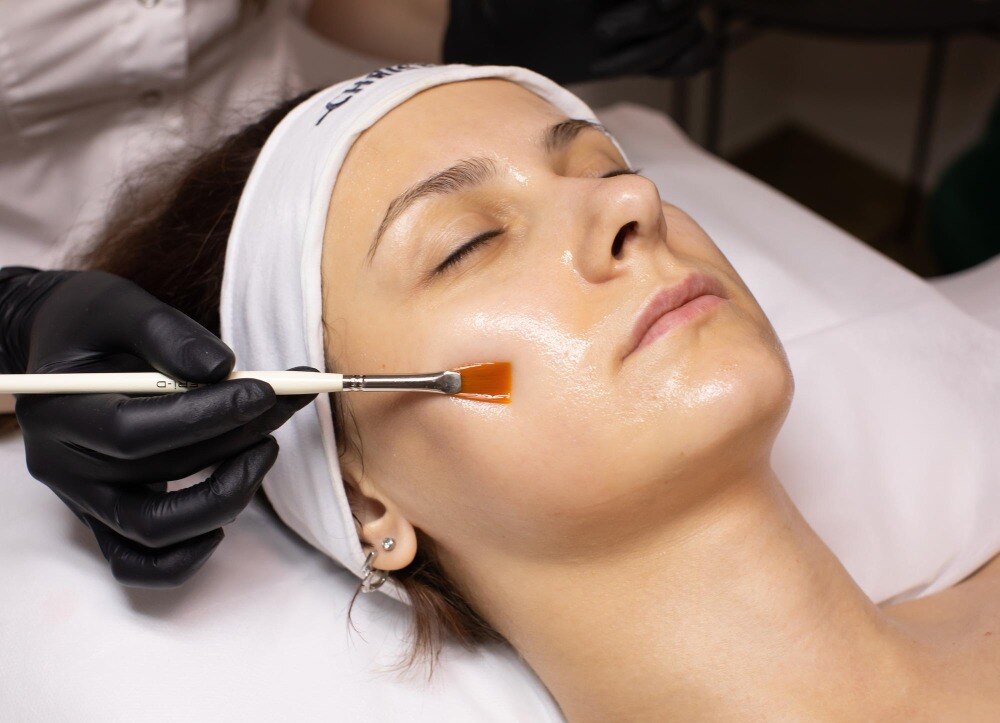
A chemical peel is a controlled application of an exfoliating chemical solution that loosens or removes selected epidermal layers, then triggers healing and new skin formation. The result depends on the agent, concentration, pH, contact time, number of coats, and depth—not just the product name.
| Peel depth | Common agents | Suitable concerns | Recovery and limits |
|---|---|---|---|
| Superficial | Glycolic, lactic, or salicylic acid | Dull texture, mild pigmentation, selected acne, post-acne marks, roughness | Stinging, redness, dryness, and fine scaling for several days; repeated sessions may be needed |
| Medium-depth | Trichloroacetic acid (TCA) | More pronounced pigmentation, photodamage, selected fine lines | Swelling and crusting with longer downtime; requires closer medical supervision |
| Deep | Phenol | Severe photodamage and selected deep wrinkles | Substantial healing, higher complication risk, and strict medical oversight; unsuitable for routine brightening |
A peel is not the right tool for deep acne scars, structural laxity, active infection, open wounds, or every dark spot. Severe melasma can worsen if inflammation triggers more pigmentation. Skin tone, sensitivity, recent sun exposure, active dermatitis, cold-sore history, medicines, retinoid use, and previous procedures affect the choice.
If you search chemical peel khandeshwar, ask which concern the clinician is treating and why that depth fits your skin. Informed consent should cover prolonged redness, post-inflammatory hyperpigmentation or hypopigmentation, acne or milia flares, infection, allergic dermatitis, and scarring before treatment begins.
How a skin specialist checks whether you are a safe candidate
A safe candidate has a clear indication, calm skin, and no condition that would impair healing. A consultation with a skin specialist Khandeshwar patients seek should review your skin tone, sensitivity, acne, pigmentation pattern, and history before selecting an agent or depth. A peel is not suitable for every dark mark or scar.
Tell the clinician about:
- Active bacterial, viral, or fungal infection, open wounds, eczema, dermatitis, or significant inflammation
- Keloids, raised scars, poor wound healing, or prolonged redness after previous procedures
- Recurrent cold sores around the mouth; medium-depth and deep peels can reactivate herpes and may require antiviral planning
- Recent laser treatment, waxing, microneedling, injections, or another peel
- Pregnancy or breastfeeding, isotretinoin history, and medicines that increase photosensitivity or affect healing
- Current retinoids, benzoyl peroxide, exfoliating acids, or prescription treatments that irritate your skin
Postpone treatment after recent tanning or sunburn, and do not apply a peel over inflamed or broken skin. Your clinician may ask you to stop irritating products, use broad-spectrum sunscreen, and follow a preparation period before treatment. Do not stop prescribed medicine without medical advice.
The plan should include realistic expectations, informed consent, and instructions for managing prolonged redness, pigment changes, infection, or scarring. A qualified skin specialist Khandeshwar residents consult will also explain whether a superficial peel is safer than a deeper option for your skin.
What to ask before the solution touches your skin
Ask the clinician to name the agent, concentration, pH, number of coats, contact time, and intended depth—not merely the brand. Ask which concern is being treated, what improvement is realistic, and why a peel is preferable to another option.
A search for chemical peel treatment for khandeshwar skin specialist should lead to an examination, not a fixed package.
Before consenting, ask:
- Which ingredient and strength will you use, and how will you neutralise or remove it?
- What are my risks of prolonged redness, pigmentation change, infection, scarring, acne, or milia?
- Does my history of cold sores require antiviral planning?
- Who applies the peel, and what happens if I develop severe pain, swelling, blistering, or crusting?
- What products, medicines, sun exposure, or procedures must I stop before treatment?
- What moisturiser, sunscreen, cleansing method, and follow-up schedule will you prescribe?
Compare the proposed depth with the process you are accepting:
| Depth | What to expect | Question to ask |
|---|---|---|
| Superficial | Stinging, redness, dryness, and fine scaling for several days | How many coats and how long will peeling last? |
| Medium-depth | More swelling and crusting with longer recovery | What is the plan for pigment changes or infection? |
| Deep phenol | Intensive medical oversight and substantially longer healing | Why is this depth necessary, and where will monitoring occur? |
Get written aftercare and informed consent. Do not pick peeling skin; ultraviolet exposure during healing can worsen pigmentation and prolong redness.
What recovery involves, and when a peel is the wrong tool
Redness, stinging, dryness, and fine scaling are common after a superficial peel. Medium-depth or deep peels can cause swelling, crusting, and a much longer recovery, so “no downtime” does not describe every procedure. Do not judge results by immediate brightness.
Prolonged redness, darker or lighter patches, acne or milia flares, dermatitis, infection, herpes reactivation, and scarring need prompt clinical review. A search for skin treatment Khandeshwar should lead to a clinician who gives written aftercare and explains complication management.
| Peel depth | What you may notice | Recovery implication |
|---|---|---|
| Superficial | Stinging, redness, dryness, fine scaling | Usually several days of careful aftercare |
| Medium-depth | Marked redness, swelling, crusting | Longer healing and closer follow-up |
| Deep | Significant swelling, peeling, and wound care | Medical supervision and substantial downtime |
- Leave peeling skin alone. Picking or forcibly removing flakes can cause infection, prolonged redness, and scars.
- Apply the prescribed bland moisturiser; do not add retinoids, scrubs, acids, or fragranced products until your clinician permits them.
- Use broad-spectrum sunscreen and avoid direct ultraviolet exposure during healing. Sun can worsen pigmentation and prolong redness.
- Contact the clinic for increasing pain, pus, blisters, spreading redness, fever, or a cold-sore cluster.
A peel is the wrong tool for deep acne scars, structural laxity, active bacterial, viral, or fungal infection, open wounds, significant inflammation, or severe melasma without a broader plan. Recurrent cold sores also require antiviral planning, especially before medium-depth or deep treatment.
How to compare a clinic serving patients from Khandeshwar
Travel from Khandeshwar is worthwhile only when the clinic offers medical assessment, not a fixed peel menu. A search for chemical peel khandeshwar should lead you to a provider who records your pigmentation history, medicines, sun exposure, previous procedures, and herpes or keloid history before recommending a depth.
Ask for these details before booking:
- The clinician’s name and qualifications, who performs the peel, and who manages complications.
- The exact agent, concentration, pH, number of coats, expected recovery, and plan if prolonged redness, infection, or pigmentation develops.
- Whether your concern is better treated with a peel, acne control, pigment therapy, laser, or scar procedure.
- A written aftercare plan covering moisturiser, sunscreen, exercise, picking, and follow-up.
| Check | Strong evidence | Warning sign |
|---|---|---|
| Consultation | Skin examination and documented medical history | Same peel offered to everyone |
| Consent | Risks include hyperpigmentation, hypopigmentation, scarring, infection, and flares | Promises of instant results or “no downtime” |
| Access | Follow-up appointment and reachable clinician after treatment | No complication contact or review plan |
When comparing Dermaatriq with a nearer clinic, use these criteria rather than distance alone. A medically supervised skin treatment khandeshwar patients can reach for review may be safer than a cheaper appointment with no documented protocol. For pigment-prone skin, reliable follow-up can justify the journey.
Related service
Chemical Peel Treatment At Dermaatriq Clinic, Chemical Peel treatment under the expert care of Dr. Swapnalie D. View service → |
Frequently asked questions
What can a chemical peel treat?
Chemical peels can address selected concerns such as uneven pigmentation, acne-related changes, rough texture, and fine lines. The suitable peel depends on the diagnosis and depth required.
How does a skin specialist decide whether I am a safe candidate?
The specialist reviews your skin condition, medical history, medicines, recent procedures, tendency to scar, infection risk, sun exposure, and ability to follow aftercare instructions.
What should I ask before a chemical peel?
Ask for the solution name, concentration, pH, contact time, number of coats, expected depth, likely downtime, risks, aftercare, and the plan for treating a complication.
What does chemical peel recovery involve?
Recovery can include redness, tightness, peeling, dryness, and temporary sensitivity. Follow the clinic’s cleansing, moisturising, sunscreen, and product-restriction instructions, and report severe pain, swelling, blistering, or worsening discoloration.
When is a chemical peel the wrong treatment?
A peel is the wrong tool when the diagnosis is unclear, the skin has an active infection or open wound, you cannot avoid sun exposure, or the concern needs another treatment approach.
Keywords