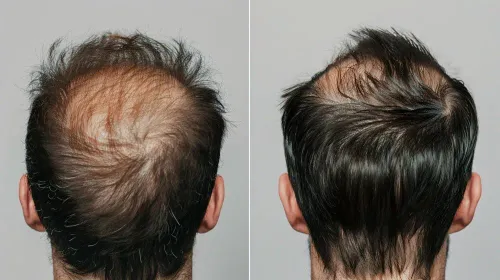
Hair loss affects millions of men and women, but the reasons behind it are often very different from one person to another. While some people experience gradual thinning because of hereditary factors, others may lose hair due to hormonal changes, nutritional deficiencies, stress, scalp disorders, medications, or medical conditions. Treating every patient with the same solution rarely delivers lasting results.
For residents of Khandeshwar, a detailed hair loss diagnosis is often the first and most important step before beginning any hair regrowth treatment.
Why Hair Loss Should Never Be Self-Diagnosed
Many shampoos, oils, and supplements promise rapid hair growth, yet they cannot address the underlying cause if the diagnosis is incorrect.
Hair loss may result from:
- Androgenetic alopecia
- Telogen effluvium
- Alopecia areata
- Scalp infections
- Hormonal imbalance
- Iron deficiency
- Thyroid disorders
- Nutritional deficiencies
- Chronic illness
- Certain medications
Because these conditions require different approaches, professional evaluation is essential.
What Happens During Hair Loss Diagnosis?
A dermatologist gathers detailed information before recommending treatment.
The assessment may include:
- Medical history
- Family history of hair loss
- Hair fall pattern
- Scalp examination
- Hair shaft evaluation
- Lifestyle assessment
- Dietary habits
- Stress levels
When necessary, blood investigations may also be advised to identify nutritional or hormonal abnormalities.
Understanding Hair Growth Cycles
Hair naturally passes through different growth phases.
These include:
- Active growth phase
- Transitional phase
- Resting phase
- Shedding phase
Disturbances in this cycle can increase hair shedding or reduce healthy hair growth. Understanding the stage of hair loss helps guide treatment planning.
Hair Regrowth Treatment Options
Modern dermatology offers several evidence-based treatments depending on the diagnosis.
Medical Therapy
Prescription medications may help slow hair loss and encourage regrowth in selected patients.
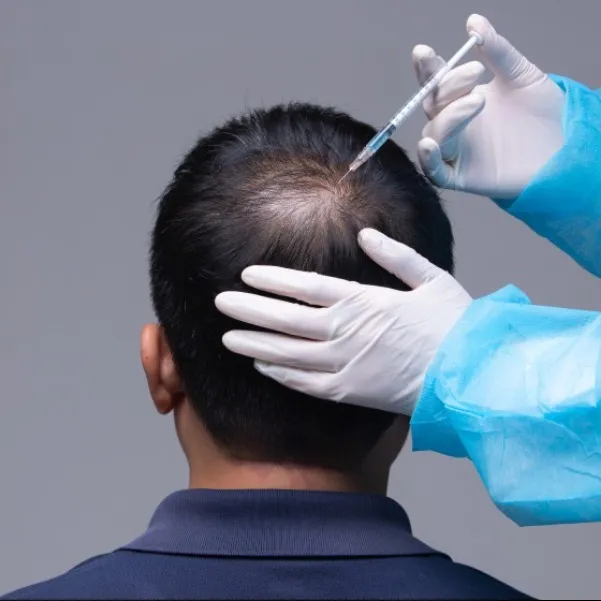
PRP And GFC Therapy
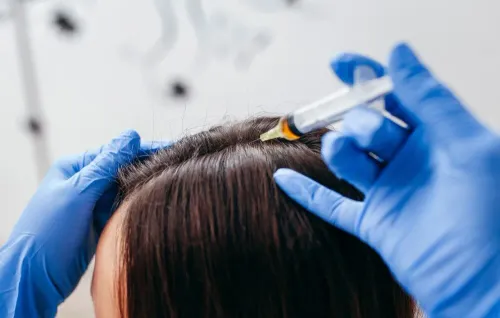
Regenerative treatments using growth factors may support healthier hair follicles in appropriate cases.
Low-Level Laser Therapy
Certain patients may benefit from medically supervised laser devices that stimulate follicular activity.
Nutritional Correction
Addressing vitamin, mineral, or protein deficiencies can improve overall hair health.
Scalp Disorder Management
Treating dandruff, inflammation, or infections creates a healthier environment for hair growth.
Many treatment plans combine several approaches rather than relying on a single therapy.
Lifestyle Factors That Influence Hair Health
Daily habits can significantly affect treatment outcomes.
Helpful practices include:
- Eating a balanced, protein-rich diet
- Managing stress effectively
- Sleeping adequately
- Avoiding excessive heat styling
- Protecting hair from harsh chemical treatments
- Maintaining good scalp hygiene
These measures complement medical treatment rather than replacing it.
How Long Does Hair Regrowth Take?
Hair growth is naturally slow.
Patients often notice:
- Reduced hair shedding before visible regrowth
- Gradual improvement over several months
- Continued changes with consistent treatment
- Better density when treatment is started early
Regular follow-up allows treatment plans to be adjusted according to progress.
Choosing the Right Hair Clinic
Selecting an experienced dermatology clinic is important because successful treatment begins with accurate diagnosis.
Look for a provider that offers:
- Dermatologist-led consultation
- Comprehensive scalp examination
- Personalised treatment planning
- Advanced diagnostic tools
- Evidence-based therapies
- Long-term monitoring
At Dermaatriq, every hair regrowth programme begins with identifying the reason for hair loss rather than recommending identical treatments for every patient. This personalised approach helps ensure that therapies are aligned with individual clinical findings.
Frequently Asked Questions
Can hair grow back after significant thinning?
The possibility of regrowth depends on the cause of hair loss and whether the hair follicles remain active.
Are supplements enough to stop hair fall?
Supplements help only when nutritional deficiencies contribute to hair loss. They do not treat every condition.
When should someone seek professional advice?
Persistent hair shedding, visible scalp thinning, sudden bald patches, or changes in hair texture should be evaluated promptly.
For people in Khandeshwar experiencing ongoing hair thinning, early diagnosis combined with personalised hair regrowth treatment offers the best opportunity to preserve existing hair and support healthier long-term growth.
Keywords