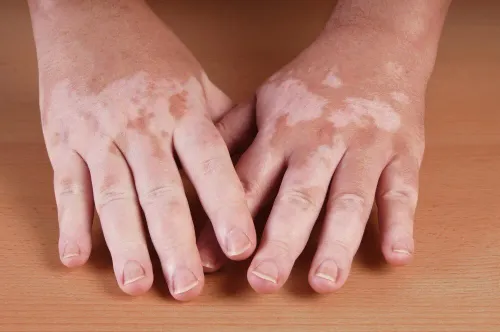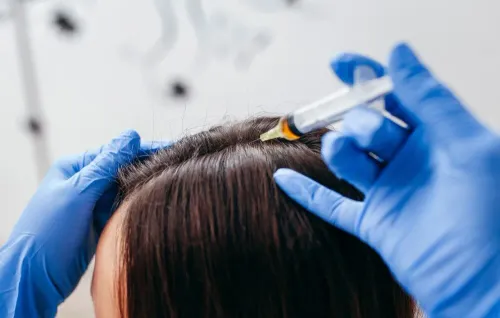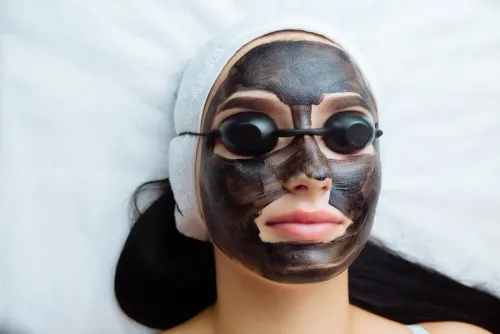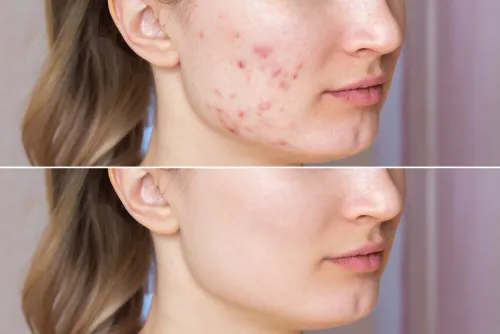
Changes in skin colour can affect confidence as much as physical symptoms. Surgical scars, traumatic injuries, burns, and conditions such as vitiligo may leave visible differences in skin pigmentation that become difficult to conceal with cosmetics alone. While these changes are not always medically harmful, many individuals seek ways to improve colour uniformity.
For people living in Sector 1 Panvel, medical micropigmentation has emerged as one option that may help restore a more even skin appearance when recommended by qualified professionals.
What Is Medical Micropigmentation?
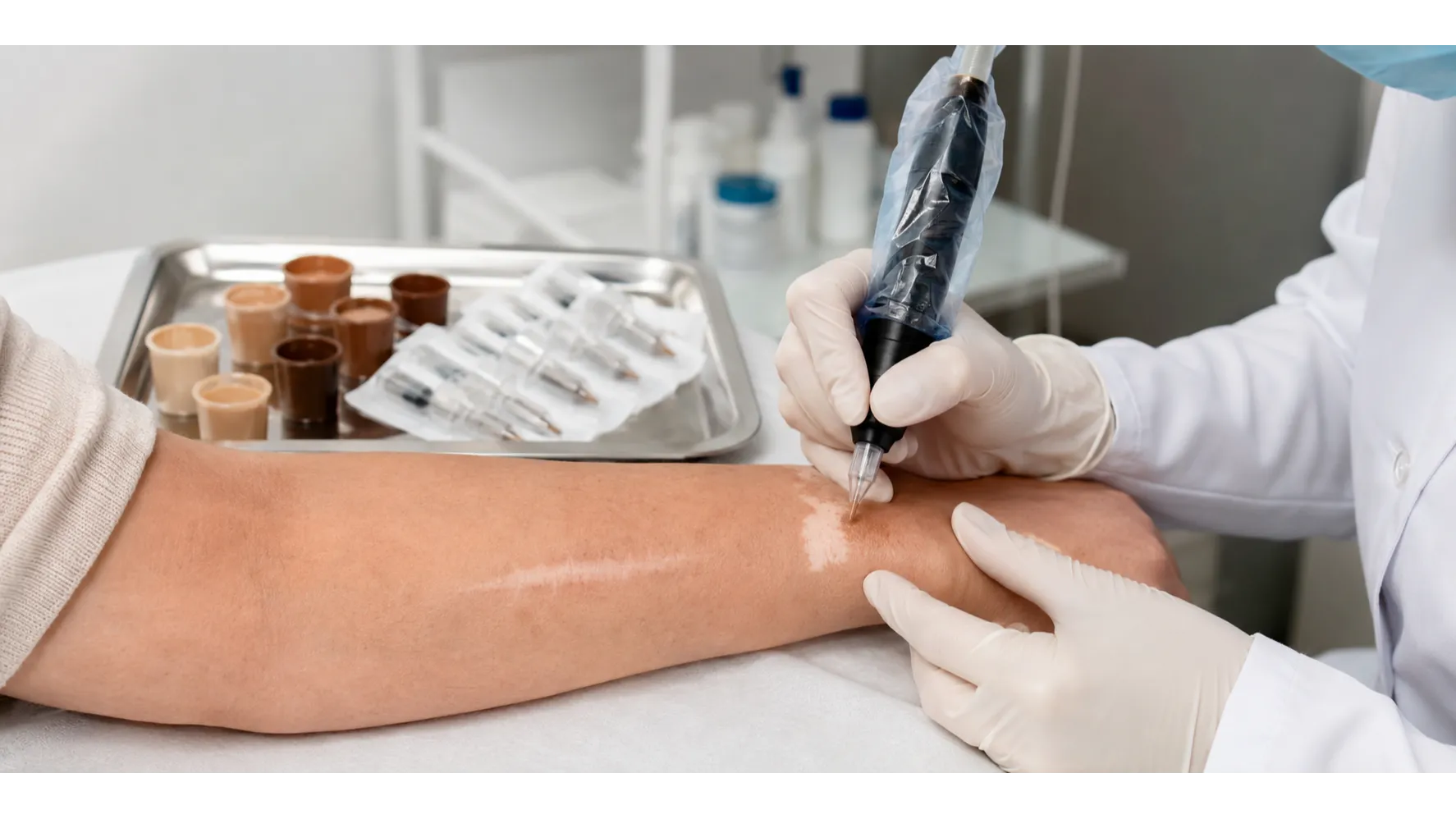
Medical micropigmentation is a specialised procedure in which carefully selected pigments are implanted into the upper layers of the skin to improve the appearance of areas with reduced or altered pigmentation.
Unlike decorative tattoos, medical micropigmentation is performed with cosmetic restoration goals and requires knowledge of skin healing, colour matching, and dermatological principles.
Conditions That May Benefit
Medical micropigmentation may be considered for selected individuals with:
- Stable vitiligo
- Surgical scars
- Injury scars
- Burn scars
- Areas of pigment loss
- Certain cosmetic reconstruction needs
Not every scar or pigment condition is suitable, making professional assessment essential.
Importance of Stability Before Treatment
In vitiligo, stability is particularly important.
Dermatologists generally assess whether:
- The condition has remained stable
- No new patches are developing
- Existing patches have not expanded recently
- Skin inflammation is controlled
Treating unstable skin may produce unpredictable results.
Scar Evaluation Before Micropigmentation
Scars differ considerably.
Important considerations include:
- Scar age
- Thickness
- Texture
- Colour
- Blood supply
- Healing pattern
Some scars respond better after additional treatments that improve texture before pigment correction is attempted.
Colour Matching Requires Precision
One of the most technically demanding parts of the procedure is selecting pigments that blend naturally with surrounding skin.
Factors affecting colour choice include:
- Natural skin tone
- Sun exposure
- Healing characteristics
- Pigment retention
- Long-term colour stability
Experienced practitioners understand that skin colour can change over time, requiring careful planning.
Treatment Expectations
Medical micropigmentation improves cosmetic appearance but does not cure the underlying skin condition.
Patients should understand that:
- Multiple sessions may be required
- Colour develops gradually
- Minor adjustments may be needed
- Maintenance treatments may be recommended over time
Realistic expectations contribute to greater satisfaction.
Aftercare Matters
Proper aftercare supports healing.
Patients are commonly advised to:
- Keep the area clean
- Avoid unnecessary friction
- Protect treated skin from excessive sunlight
- Follow prescribed skincare instructions
- Attend follow-up reviews
Ignoring aftercare may affect pigment retention.
When Medical Micropigmentation May Not Be Suitable
Treatment may be postponed in situations such as:
- Active skin infection
- Unstable vitiligo
- Poor wound healing
- Certain inflammatory skin disorders
- Uncontrolled medical conditions affecting healing
A dermatologist determines suitability after evaluation.
Choosing an Experienced Provider
Medical micropigmentation combines artistic precision with clinical understanding.
When selecting a clinic, consider:
- Experience with pigment correction
- Dermatology expertise
- Individual treatment planning
- High-quality pigments
- Proper hygiene standards
- Long-term follow-up care
Dermaatriq offers dermatology-led assessment for cosmetic skin restoration procedures, helping patients understand whether medical micropigmentation is appropriate for their individual condition and treatment goals.
Frequently Asked Questions
Does medical micropigmentation treat vitiligo itself?
No. It improves the cosmetic appearance of stable depigmented areas but does not cure vitiligo.
Can every scar be treated?
Not always. Scar type, texture, maturity, and healing characteristics influence suitability.
Will results look completely identical to surrounding skin?
The goal is improved colour blending. Exact matching varies depending on skin characteristics and healing response.
For individuals in Sector 1 Panvel looking to improve the appearance of scars or stable vitiligo, medical micropigmentation can be a valuable option when performed after careful dermatological evaluation and personalised treatment planning.
Keywords