Hair thinning often develops gradually, making it easy to overlook until the scalp becomes more visible or the hairline starts changing. While genetics play a significant role, factors such as stress, nutritional deficiencies, hormonal changes, illness, and lifestyle habits can also contribute to hair loss. Early diagnosis is important because not every type of hair loss responds to the same treatment.
For individuals in Greater Khanda, PRP and GFC Hair Restoration Therapy have become popular non-surgical options that may help support healthier hair growth when recommended after a detailed scalp assessment.
Understanding PRP Hair Restoration Therapy
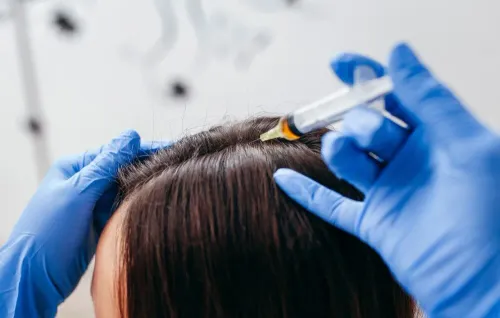
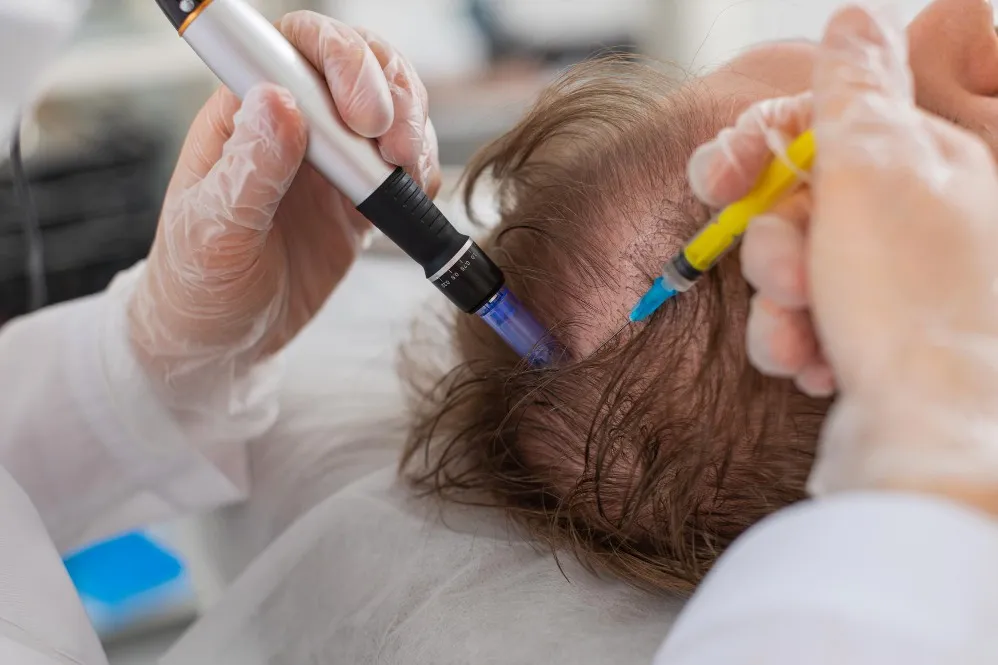
Platelet-Rich Plasma (PRP) therapy uses a concentrated portion of the patient's own blood that contains growth factors believed to support the body's natural healing processes. After a blood sample is collected, it is processed to separate platelet-rich plasma, which is then carefully injected into targeted areas of the scalp.
The goal is to create an environment that supports healthier hair follicles and encourages stronger hair growth.
What Is GFC Hair Restoration Therapy?
Growth Factor Concentrate (GFC) therapy is an advanced version of regenerative hair treatment. It isolates concentrated growth factors from the patient's blood while removing many unwanted cellular components.
Compared with conventional PRP, GFC therapy provides a highly purified concentration of growth factors that may help stimulate hair follicles more effectively in selected patients.
A dermatologist determines whether PRP, GFC, or another treatment approach is more suitable based on clinical findings.
Who May Benefit?
Hair restoration therapies may be considered for individuals experiencing:
- Early-stage pattern hair loss
- Mild to moderate hair thinning
- Hair shedding after illness
- Reduced hair density
- Weak hair growth
- Certain cases of post-pregnancy hair loss
- Hair loss associated with stress
These treatments are generally more effective when hair follicles remain active.
Why Hair Loss Diagnosis Comes First
Many people assume all hair loss has the same cause, but this is rarely true.
A dermatologist evaluates several factors before recommending treatment, including:
- Family history
- Medical conditions
- Hormonal changes
- Nutritional deficiencies
- Scalp health
- Current medications
- Lifestyle habits
Sometimes laboratory investigations are necessary to identify underlying causes that should be treated alongside regenerative therapy.
What Happens During Treatment?
Although treatment protocols differ, sessions generally involve:
- Clinical scalp evaluation.
- Blood sample collection.
- Processing the blood using specialised equipment.
- Preparation of PRP or GFC.
- Multiple small injections into the treatment area.
Most sessions are completed within an hour, allowing patients to resume routine activities shortly afterwards.
When Can Results Be Expected?
Hair growth occurs in cycles, so improvement is gradual rather than immediate.
Many patients notice:
- Reduced hair fall first
- Improved hair thickness over time
- Better hair density
- Healthier scalp condition
- Continued improvement over several months
Regular follow-up helps monitor progress and determine whether maintenance sessions are appropriate.
Supporting Hair Growth Beyond Treatment
Hair restoration works best when combined with healthy lifestyle habits.
Helpful measures include:
- Eating adequate protein
- Correcting nutritional deficiencies
- Managing stress
- Following prescribed medications
- Maintaining scalp hygiene
- Avoiding excessive heat styling
- Treating dandruff or scalp disorders promptly
Addressing these factors may improve overall treatment outcomes.
Choosing a Hair Restoration Provider
Selecting the right clinic involves more than choosing the latest technology.
Consider whether the provider offers:
- Dermatologist-led diagnosis
- Detailed scalp examination
- Personalised treatment planning
- Modern processing systems
- Follow-up monitoring
- Evidence-based recommendations
At Dermaatriq, PRP and GFC Hair Restoration Therapy are recommended only after identifying the underlying cause of hair loss, allowing treatment plans to be tailored to each individual's condition rather than using a standard protocol.
Frequently Asked Questions
Is PRP or GFC suitable for complete baldness?
These treatments generally work best when functioning hair follicles are still present. They are usually less effective in areas where follicles are no longer active.
Are multiple sessions required?
Yes. Hair restoration typically involves a series of sessions followed by maintenance based on individual progress.
Can men and women both undergo treatment?
Yes. PRP and GFC therapies may be suitable for both men and women experiencing selected forms of hair loss after clinical evaluation.
Hair loss can have many different causes, making professional diagnosis essential. For people in Greater Khanda seeking non-surgical options, PRP and GFC Hair Restoration Therapy may offer supportive solutions when integrated into a comprehensive hair care plan.
Keywords