Hair shedding has several possible causes, and the correct treatment depends on whether follicles are temporarily releasing hairs, gradually miniaturising, becoming inflamed, or being permanently damaged. You will learn what to bring, what a dermatologist examines, which tests may be relevant, and how to judge treatment choices and progress.
Key takeaways
- Expect a scalp examination, hair-loss history and diagnosis before any procedure.
- Ask which tests are needed to identify thyroid, iron, hormonal or inflammatory causes.
- Compare minoxidil, PRP, microneedling and transplant by diagnosis, timeline and maintenance.
- Track part width, hair density, shedding and photographs to measure treatment benefits.
What happens at the first hair-fall appointment?
The first appointment is diagnostic, not a procedure booking: the dermatologist identifies the pattern, timing and likely trigger of your hair loss before selecting treatment. Normal shedding is different from active loss that creates widening parts, receding areas, bald patches or visible scalp.
1. You describe when shedding began, whether it was sudden or gradual, and where it appears. Mention recent fever, illness, surgery, weight loss, stress, childbirth, dietary restriction, new medicines, tight hairstyles and family history.
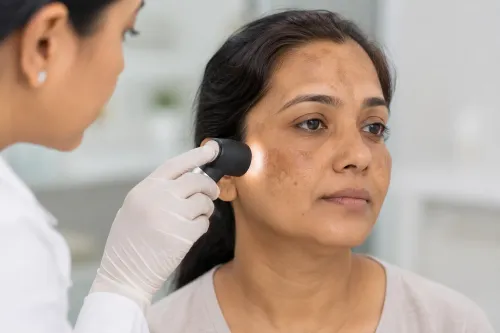
2. The dermatologist examines your scalp, hairline, hair shafts and body hair, then assesses density and the distribution of thinning. A hair-pull test can show active shedding, while dermoscopy or trichoscopy can reveal miniaturised hairs, broken shafts, inflammation or signs of scarring.
3. You may receive a working diagnosis, such as patterned hair loss, telogen effluvium, alopecia areata, traction or inflammatory alopecia. Blood tests are targeted to your history and findings; examples include a complete blood count, ferritin, thyroid-stimulating hormone, vitamin B12, vitamin D or hormone testing.
4. Baseline photographs from fixed angles help compare density later. Before leaving, ask when to expect change, which side effects require attention, how progress will be measured and when the diagnosis will be reviewed.
A sound plan for hair fall treatment for Kharghar residents begins with this assessment. Choosing injections or medicines first can delay treatment when the cause is deficiency, thyroid disease, infection or scarring.
Which causes and tests does a dermatologist investigate?
A dermatologist for hair fall in Kharghar connects the examination findings with your history before ordering tests. Daily loose hairs alone do not prove active hair loss; reduced density, widening parting, bald patches or a receding hairline matter more.
The examination covers the scalp, hair shafts, hairline and body hair, with a hair-pull test or dermoscopy (trichoscopy) when needed.
Your history helps identify triggers such as:
- Fever, infection, surgery, major stress, rapid weight loss or childbirth in the previous few months
- Restrictive diets, low protein intake, new medicines or dose changes
- Tight hairstyles, scalp itching, scaling, pain, burning, pustules or nail changes
| Cause | Findings that point to it | Targeted test or next step |
|---|---|---|
| Patterned hair loss | Gradual thinning at the part, temples or crown | Dermoscopy; blood tests only when history suggests another cause |
| Telogen effluvium | Diffuse shedding after illness, stress, weight loss or childbirth | Complete blood count, ferritin or iron studies, thyroid-stimulating hormone |
| Alopecia areata | Smooth, sharply defined patches, exclamation-mark hairs or nail changes | Dermoscopy; thyroid or autoimmune testing when symptoms justify it |
| Deficiency, thyroid or hormonal disorder | Fatigue, menstrual changes, excess facial hair or dietary risk | Vitamin B12, vitamin D, thyroid or hormone testing |
| Inflammatory, infectious or scarring alopecia | Redness, pustules, heavy scale, pain, burning, shiny skin or missing follicular openings | Fungal testing or scalp biopsy |
Indiscriminate blood testing rarely explains every case. A scalp biopsy becomes important when scarring is suspected, because destroyed follicles cannot reliably regrow.
How is treatment chosen after the diagnosis?
The plan is chosen from the working diagnosis, extent of loss and your safety profile—not from a standard package of medicines or procedures. A hair specialist in Kharghar also sets a response timeframe, records baseline photographs or density findings, explains adverse effects and schedules review before treatment begins.
1. Match treatment to the cause. Pattern hair loss may call for minoxidil to slow miniaturisation and maintain or improve density. Telogen effluvium usually requires attention to the trigger, such as illness, weight loss, childbirth, iron deficiency or a medicine, rather than an immediate procedure.
2. Match treatment to the pattern and severity. Smooth, sharply defined patches, exclamation-mark hairs or nail changes suggest alopecia areata, which may need topical treatment, corticosteroid injections or systemic or targeted therapy. Redness, scale, pain, pustules or scarring require prompt assessment because permanent follicle damage changes the goal.
3. Check safety before prescribing. Pregnancy plans, breastfeeding, heart or blood-pressure conditions, current medicines, allergies and relevant blood-test results affect which treatment is suitable. A medicine is not automatically safe because it helped someone else.
4. Delay procedures when the diagnosis is unstable. Transplantation redistributes limited donor follicles but does not stop miniaturisation in untreated hair, so medical stabilisation comes first when ongoing loss is active.
The review compares shedding, scalp symptoms and photographs after the agreed interval. Treatment may reduce loss, preserve follicles, increase density or control inflammation; it cannot reliably revive follicles destroyed by scarring.
How do minoxidil, PRP, microneedling and transplant differ?
These four options do not solve the same problem: minoxidil supports existing follicles, PRP and microneedling may stimulate them, while a transplant redistributes donor follicles.
| Option | What it can improve | What it cannot treat |
|---|---|---|
| Minoxidil | Slows miniaturisation and may maintain or increase density in pattern hair loss | It cannot guarantee a juvenile hairline or restore permanently scarred follicles; benefits usually require continued use |
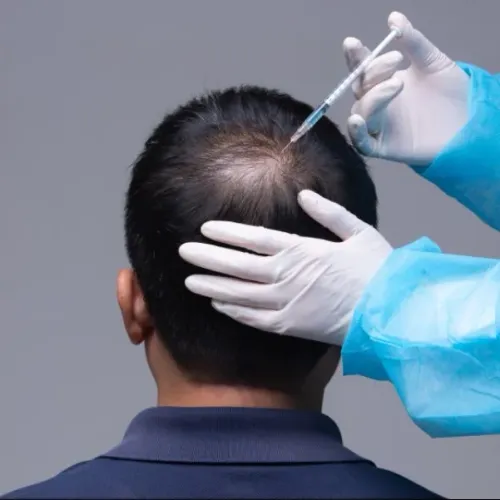
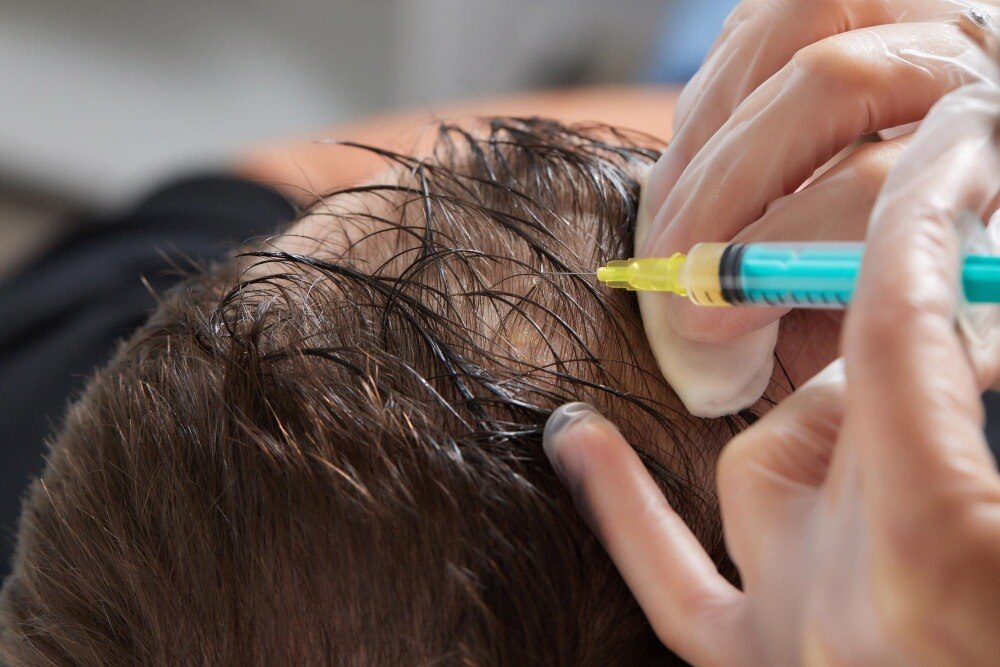
| PRP | May improve thickness or density in some nonscarring hair loss | It is not a universal cure, and results vary with preparation and injection schedules; repeated sessions are often needed |
| Microneedling | Creates controlled scalp micro-injuries that may enhance treatment response, especially alongside minoxidil | It cannot correct the cause of shedding or replace treatment for infection, inflammation, alopecia areata, or scarring |
| Transplant | Moves a limited number of donor follicles into areas with lasting thinning or baldness | It does not stop miniaturisation in the surrounding, non-transplanted hair |
Medical stabilisation comes before a transplant when shedding is active or pattern loss is progressing. Otherwise, transplanted hair may remain while nearby hair continues to thin, producing uneven coverage. Oral minoxidil also needs clinician selection because light-headedness, fluid retention, rapid heartbeat and low blood pressure can occur.
Microneedling and PRP are poor choices for untreated scalp inflammation or scarring alopecia. Hair fall treatment benefits are therefore cause-dependent: treatment may reduce shedding, preserve follicles or improve density, but cannot reliably revive follicles destroyed by scarring. At Dermaatriq, ask how diagnosis, photographs, expected review time and adverse-effect monitoring will guide the choice.
Related services
Hair Fall Treatment At Dermaatriq Clinic, we understand that hair fall can affect both your confidence and overall well-being. Under the expert guidance of Dr. View service → |
Hair Regrowth Treatment At Dermaatriq Clinic, our Hair Regrowth Treatment is a scientifically designed, medically supervised solution aimed at addressing various types of... View service → |
How are hair fall treatment benefits monitored over time?
Follow-up visits measure change against a baseline, not against memory. The clinician repeats scalp photographs with the same parting, lighting and camera distance, checks hair-pull findings, and compares density with dermoscopy or trichoscopy. Record the date, treatment, dose and any side effects.
A practical monitoring plan tracks:
- Shedding: note hair collected during washing or brushing and whether a hair-pull test remains positive. Temporary increased shedding can follow minoxidil initiation, while telogen effluvium often needs several months before improvement becomes clear.
- Density and thickness: compare standardised photographs after about three to six months for pattern hair loss or after the timeframe your dermatologist sets for the selected treatment. PRP commonly requires repeated sessions before its possible density benefit is judged.
- Scalp inflammation: report itching, burning, scaling, tenderness, redness or pustules promptly. Ongoing inflammation can damage follicles and requires faster review than a slow density change.
- Safety and adherence: discuss dizziness, unwanted facial hair, sexual or menstrual changes, injection reactions and missed doses rather than silently stopping treatment.
Hair fall treatment benefits depend on the cause. Minoxidil may slow progression or maintain density, but stopping it can lose the maintained benefit; a transplant redistributes donor follicles without preventing miniaturisation elsewhere. If shedding accelerates, photographs show no improvement after the agreed review period, or scarring is suspected, reassess the diagnosis, tests and plan.
This is essential for anyone comparing hair fall treatment for Kharghar clinics rather than judging results after a few weeks.
Frequently asked questions
What happens at the first hair-fall appointment?
The dermatologist reviews when shedding began, examines your scalp and hair pattern, and checks for widening parts, receding areas, bald patches or scalp inflammation before recommending treatment.
Which causes and tests does a dermatologist investigate?
The evaluation can consider hereditary pattern hair loss, telogen effluvium, alopecia areata, thyroid disease, iron deficiency, hormonal changes, nutritional deficiencies, medicines and scalp disorders. Blood tests are selected according to your history and examination.
How is hair-fall treatment chosen after diagnosis?
Treatment depends on the cause, severity, affected area, medical history, pregnancy status, budget, time available for maintenance and whether the follicles remain active.
How do minoxidil, PRP, microneedling and transplant differ?
Minoxidil is a topical or oral medication option, PRP uses injections prepared from your blood, microneedling creates controlled scalp punctures, and transplant moves follicles from a donor area to thinning regions. They differ in invasiveness, suitability, downtime, results timeline and ongoing maintenance.
How are hair-fall treatment benefits monitored over time?
A dermatologist can compare standardised photographs, part width, hair density, shedding, scalp coverage and new growth at follow-up visits rather than relying only on daily hair counts.
Related services
Hair Transplant Treatment Hair Transplant at Dermaatriq Clinic is a safe, advanced, and minimally invasive procedure designed to restore natural hair growth in areas affected... View service → |
Skin & Hair PRP Treatment PRP (Platelet-Rich Plasma) is a natural, non-surgical treatment that uses the patient’s own blood to rejuvenate skin and promote hair growth. View service → |
Keywords